Security | Threat Detection | Cyberattacks | DevSecOps | Compliance

PII protection: 8-step framework from discovery to security

Most organizations can't answer three basic auditor questions simultaneously: where PII lives, who can access it, and how it's protected. One-off scans and manual classification go stale as data volumes grow. A repeatable, eight-step PII protection program from initial discovery through ongoing governance is what separates a defensible compliance posture from a snapshot that collapses under scrutiny.
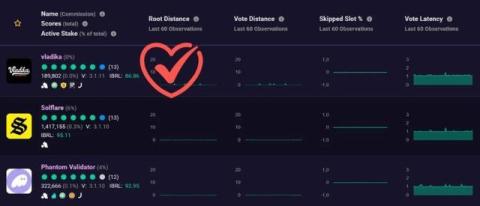
How to Select a Trustworthy Solana Validator

Staking SOL is not just a passive yield strategy - it is a decision that determines how your assets participate in securing the Solana network and how consistently they generate rewards over time. When you delegate your tokens, you effectively place trust in a validator's infrastructure, operational ethics, and long-term stability.

Why Companies Are Investing in Custom Platforms Instead of More SaaS Tools

Over the past decade, SaaS tools have become the default solution for businesses trying to move faster and operate more efficiently. From CRMs and marketing tools to project management systems, there is a SaaS product for almost every task. At first, this seems like a perfect setup quick to adopt, relatively affordable, and easy to scale.

K2view vs Tonic for synthetic data generation

If you've ever tried to share realistic production data with a QA team, a data science group, or an external vendor, you already know the problem: the data you need is also the data you're not allowed to move around freely. Synthetic data generation is the practical middle path when done correctly. It gives teams realistic datasets without the privacy risks, compliance concerns, and operational complexity associated with using production data directly.

Private App Access, Zero Network Change

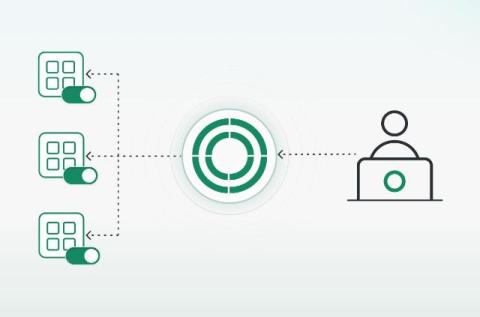
As organizations advance toward Security Service Edge (SSE), secure access to private applications has become a practical priority. Executives rightly expect these programs to improve security while increasing agility. Yet many initiatives slow down at the same point: extending access to private applications. The work often depends on firewall exceptions, routing changes, and cross-team coordination, followed by tightly controlled maintenance windows.

What Makes LCD Displays Reliable and Efficient

Electronic screens are everywhere today. Selecting the right technology makes a major difference in how a device performs. Liquid crystal displays have held a top spot in consumer electronics for decades. They offer a strong mix of performance and value. These screens operate reliably under conditions that cause other displays to fail. Hardware designers look for components that balance clarity with power consumption. Understanding what makes them work helps teams pick the best components. Let us examine the mechanics behind these dependable screens.