Security | Threat Detection | Cyberattacks | DevSecOps | Compliance

From signals to systemic risk: Building Risk AI

Security and engineering teams contend with a constant stream of signals about vulnerabilities, incidents, misconfigurations, identity risks, control gaps, and other findings across their environments. But an individual finding’s severity does not always reflect its potential organizational impact.

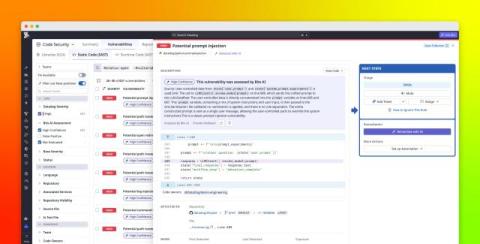
Detect vulnerabilities in LLM applications with Datadog's AI-native SAST

AI coding tools help developers build and deploy LLM applications quickly, but this speed comes with new security risks. Traditional static application security testing (SAST) tools that are pattern based weren’t designed to detect LLM-specific issues such as prompt injection sinks and exposed system prompts. These vulnerabilities often don’t become apparent until applications are already running in production, when remediation is more difficult and expensive.

How CISA's BOD 26-04 changes vulnerability prioritization

AI-accelerated attacks are redefining the threat landscape, but many of them still rely on one of the oldest tactics in the book: exploiting known vulnerabilities. The difference today is speed. Vulnerabilities that once took skilled hackers months or weeks to exploit can now be weaponized in hours or minutes. This acceleration is forcing organizations to rethink how they identify and remediate risk.

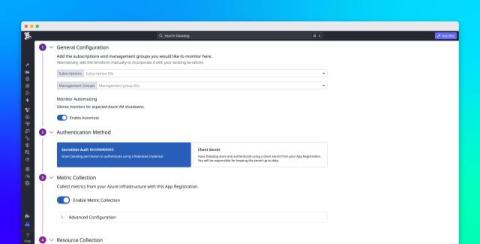
Avoid Azure secret rotation with secretless authentication

Many observability platforms authenticate to Microsoft Azure by using client secrets. Teams must create, store, and periodically rotate these secrets to keep receiving the telemetry data that they need. This recurring maintenance adds operational overhead and increases the risk of ingestion outages that occur when secrets expire.

How to manage risk from unfixed Kubernetes CVEs

On June 1, 2026, the Kubernetes Security Response Committee updated the records for four older CVEs that remain unfixed. The corrections may cause vulnerability scanners to report these CVEs in clusters where they weren’t previously detected. But an affected version doesn’t necessarily mean that a cluster is exposed. Each unfixed Kubernetes CVE depends on a particular combination of permissions, cluster features, and network access.