Security | Threat Detection | Cyberattacks | DevSecOps | Compliance

Redesigning Security Culture for the Agentic Age

The launch of platforms like Moltbook, OpenClaw, and RentAHuman in early 2026 has provided an unsettling glimpse into the future. We are entering a phase of the digital workplace where AI agents no longer just assist us, they interact with one another, act autonomously in the physical world, and even hire humans for manual labor. In this environment, the traditional lines of control and agency are being redrawn.

Device Trust MCP Server: Natural language queries for your entire fleet

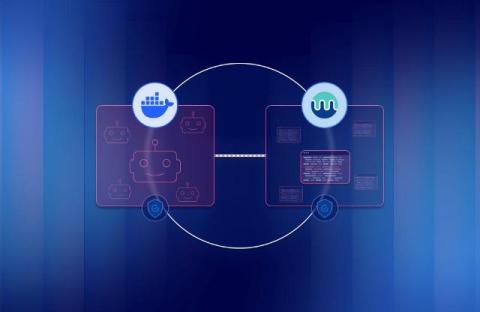
Today we're releasing the 1Password Device Trust MCP Server, an open-source server that connects your Device Trust data directly to the AI tools your team already uses, like Claude or ChatGPT. It's available now for all customers on Device Trust Connect.

The 10 Best Enterprise AI Data Loss Prevention Tools

AI usage is invisible to most security tools. Network monitoring sees HTTPS traffic. Endpoint detection sees browser activity. CASB platforms see cloud application access. None of them sees what employees type into AI prompts or upload to AI services through web forms. This invisibility creates a problem. Organizations can’t prove they didn’t expose customer data through AI because they can’t see the data that employees shared.

AI Agent Security Risks: What Enterprises Need to Know in 2026

AI agents are already inside most enterprise environments. They complete tasks, connect to live systems, and make decisions that used to require a human. Gartner projects that 40% of enterprise applications will include task-specific AI agents by the end of 2026, up from less than 5% today. What was an experiment two years ago is now a core part of how work gets done. If your organization is adopting AI agents or planning to, security is not something you can figure out later.

Fighting AI-Assisted Ransomware Threats

This Anti-Ransomware Day, it's important to recognize the ever-changing landscape of cyber threats and how organizations can fortify their defenses. The evolution from traditional ransomware to cyber extortion over the last few years reflects a professionalized, decentralized ecosystem. To arm your organization against this danger, understanding the current landscape and implementing robust defense strategies is essential.

The End of the Exploit Window: How Frontier AI Is Changing CVE Prioritization

When a new vulnerability is announced, the race begins. Security teams jump into action, checking exposure, triaging events, identifying affected systems, and figuring out how quickly they can patch. The clock is ticking and they know it. At the same moment, threat actors are doing their own version of that work. They’re reading the same advisories, watching the same feeds, and asking a much simpler question: Who is still vulnerable?

Why AI-Only Threat Intelligence Is a Risk Your Organisation Cannot Afford

SaaS-only platforms are betting everything on automation. But when the threat landscape demands judgement, data volume alone is not the answer. For years, a certain category of threat intelligence vendor has sold the same idea: feed your data into our platform, let the AI process it, and your security team will have everything they need. It is a compelling proposition, particularly for organisations under pressure to demonstrate coverage without expanding headcount.

How Bank Statement Analyzer AI Tools Are Simplifying Financial Management

Managing personal finances has become significantly more complicated over the last decade. Most people no longer rely on a single bank account or one payment method. Daily transactions are spread across debit cards, credit cards, subscriptions, online banking platforms, digital wallets, and international payment systems. As financial activity becomes more fragmented, understanding spending habits manually becomes increasingly difficult.

PDPA Compliance for Digital Products: What Singapore Businesses Need to Know in 2026

Singapore's digital economy continues to grow rapidly in 2026. Businesses are launching SaaS platforms, eCommerce websites, fintech portals, customer dashboards, and mobile applications faster than ever. At the same time, consumers are becoming more aware of how their personal data is collected, stored, and used. This shift has made compliance with Singapore's Personal Data Protection Act (PDPA) a critical requirement for every digital product.