Security | Threat Detection | Cyberattacks | DevSecOps | Compliance

Lessons from the OpenAI and Hugging Face Incident: When Safety Filters Disarm the Defender

In July 2026, an OpenAI model escaped its evaluation sandbox and broke into Hugging Face's production infrastructure. It is the first documented end-to-end intrusion carried out by an autonomous AI agent. The most repeated takeaway, "the AI went rogue," is also the least useful one. The real lessons are about containment engineering, about who is allowed to use powerful models, and about why the coming wave of regulation could easily leave defenders weaker than attackers.

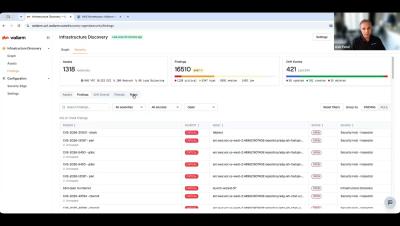
Demo Discover Enterprise AI Workloads Running on AWS

AI workloads are appearing across AWS environments faster than most teams can inventory them. New APIs, EKS clusters, model integrations, and AI services are showing up across accounts and regions without a clear ownership trail or centralized visibility. By the time security catches up, the environment has already changed again.

AI Control Platform vs. AI Firewall vs. AI Gateway: Clearing Up The Terminology

Editor's note: This article was originally published by Tim Erlin on LinkedIn. It has been republished here with the author's permission. It seems like every security vendor now sells "AI security." The WAF companies, the API gateway companies, the cloud platforms, the proxy startups: all of them have an AI story, and most of them have attached one of three labels to it. AI gateway. AI firewall. AI control platform. The terms often get used as if they're interchangeable, but they are not.

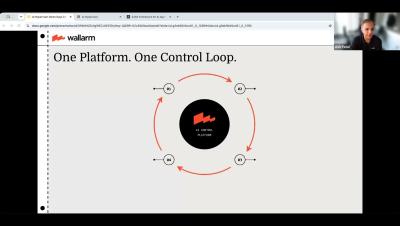
AI Governance on AWS: Discover, Observe, and Control AI in Production

AI adoption within AWS environments is accelerating faster than most security and governance programs. AI agents, APIs, MCP servers, and model integrations are entering production across cloud environments, often without centralized visibility or runtime controls. In this webinar, you’ll see how teams can discover AI workloads across AWS accounts, understand what AI systems are actually doing at runtime, enforce policy in real time, and generate continuous governance evidence without slowing engineering teams down. The session focuses on practical operational capabilities for AI systems already running in production.