Security | Threat Detection | Cyberattacks | DevSecOps | Compliance

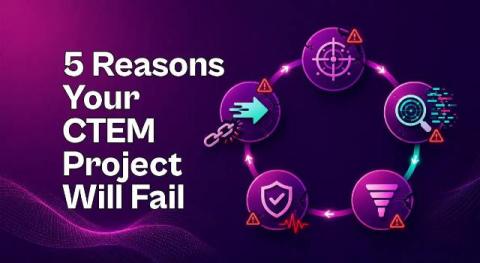
5 Reasons Your CTEM Project Will Fail

CTEM sounds straightforward as a five-stage loop, but most programs stall quietly somewhere inside it. This post breaks down the five places CTEM projects actually break — bad scoping, unreconciled discovery tools, severity mistaken for risk, skipped validation, and unowned remediation — and argues that these aren’t five separate problems, but symptoms of running CTEM as disconnected efforts instead of one continuous workflow.

AI Can't Do CTEM Alone (And Neither Can You)

AI can meaningfully power Continuous Threat Exposure Management (CTEM), but only for specific stages of the cycle: prioritization, validation, and remediation routing. AI can’t replace the underlying data integration work, and it can’t turn CTEM into a single product, because Gartner defines CTEM as a continuous five-stage program (scoping, discovery, prioritization, validation, mobilization), not a tool you install.

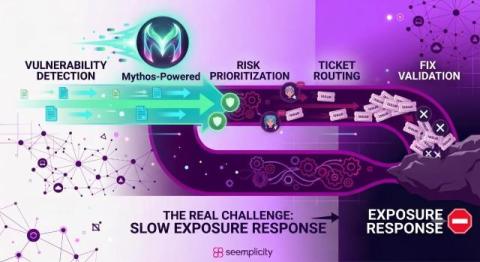
What Mythos Means for Your Vulnerability Management Team

Modern exposure management has evolved beyond vulnerability scanning and alert volume into a discipline focused on measurable risk reduction. As the exposure management market matures, security leaders are adopting cyber exposure management platforms that unify signals across vulnerability, cloud, application, and attack surface tools to prioritize what truly matters.

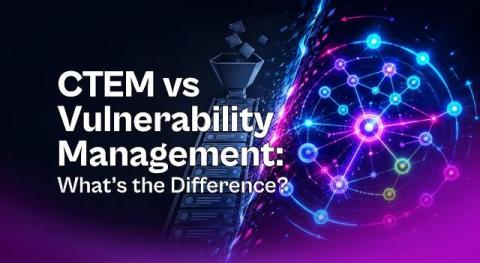
CTEM vs Vulnerability Management: What's the Difference?

Traditional vulnerability management focuses primarily on identifying, prioritizing, and remediating known vulnerabilities. CTEM is a broader, continuous framework that also considers other exposures, validates which risks are realistically exploitable, and mobilizes the right teams to reduce them. CTEM does not replace vulnerability management; it builds on it by adding the business context and operational focus needed to address the exposures that matter most.