
Security | Threat Detection | Cyberattacks | DevSecOps | Compliance

Staying Safe and Connected: The Security Side of Off-Grid Technology

Going off the grid used to mean completely disconnecting. No phone signal, no internet, no way to call for help if something went wrong. For remote workers, overlanders, and anyone venturing into isolated areas, that kind of disconnection wasn't just inconvenient. It was a genuine safety risk.

Logs & Lattes Episode 5: Top 10 Cybersecurity Threats Hybrid Teams Actually Face in 2026

Lean security teams operating in hybrid and regulated environments are not just fighting threats. They are fighting time. When evidence is scattered across email, identity, VPN endpoints, cloud, and network tools, even a solid detection means nothing if triage slows to a crawl. In this episode of Logs and Lattes, host Palmer Wallace and Graylog Solutions Architect Kyle Pearson break down the top ten security threats hybrid organizations are actually dealing with in 2026 and the single common failure behind most of them: fragmented telemetry that delays investigation when it matters most.

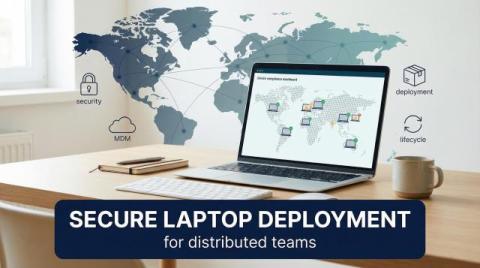
Secure Laptop Deployment for Distributed Teams: Closing the MDM Enrollment Gap

Remote and hybrid work are now standard. Gartner reports that seven in ten U.S. knowledge workers split their week between home and office-or stay fully remote. That shift turns every laptop into a branch office, yet many devices still cross borders and porches without encryption, policy enforcement, or MDM enrollment. Mistakes are costly: enterprises misplace an average of 103 laptops a year and pay about $234,000 just in replacements. We call that blind spot the last-mile laptop dilemma.

Remote work security: the complete guide to securing the digital workspace

Remote work security depends on protecting identities, devices, and data across distributed environments. Organizations must secure home networks, encrypt endpoints, enforce strong authentication, and reduce credential risk. Applying Zero Trust principles, limiting standing privileges, monitoring endpoint activity, and maintaining visibility into access and data movement helps reduce attack surface, contain threats faster, and support compliance in remote and hybrid work models.