
Why Ongoing Cybersecurity Monitoring Is Essential for Medical Device Compliance
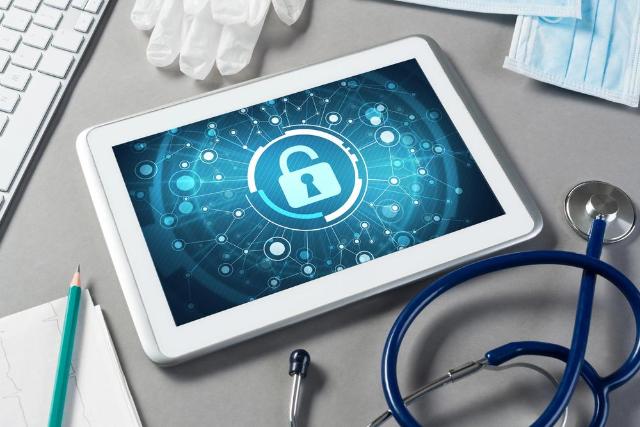
Image Source: depositphotos.com
Healthcare organizations today rely heavily on connected medical devices to improve patient outcomes, streamline clinical workflows, and support real-time decision-making. From infusion pumps and imaging systems to wearable monitoring technologies, these devices have become a critical part of modern healthcare delivery. However, as connectivity increases, so does exposure to cybersecurity risks that can affect device functionality, patient safety, and regulatory compliance.
Medical device security is no longer viewed as a one-time requirement addressed during development or market approval. Regulators, healthcare providers, and industry experts increasingly recognize that cybersecurity is an ongoing responsibility throughout a device's lifecycle. Continuous monitoring has emerged as one of the most important strategies for maintaining compliance while helping organizations identify and respond to evolving threats before they become serious incidents.
The Growing Cybersecurity Challenges Facing Medical Devices
Medical devices operate in complex healthcare environments where multiple systems, networks, and users interact every day. Unlike traditional standalone equipment, many modern devices connect to hospital networks, cloud platforms, electronic health record systems, and remote monitoring tools. While these capabilities offer significant benefits, they also create additional entry points for cyber threats.
Cybersecurity researchers, healthcare organizations, and regulatory agencies have repeatedly highlighted vulnerabilities in connected medical technologies. Threat actors often target healthcare systems because they contain valuable patient information and support essential services. Even a seemingly minor device vulnerability can have broader implications if it affects clinical operations or patient care.
The challenge is that cybersecurity risks do not remain static. New vulnerabilities are discovered regularly, software components evolve, and attack techniques become more sophisticated over time. A device that meets security requirements at launch may face entirely different risks months or years later. This reality makes continuous oversight a necessity rather than an option.
Why Compliance Extends Beyond Initial Approval
Medical device compliance has traditionally focused on premarket requirements, including safety testing, quality management systems, and risk assessments. While these remain essential, regulators increasingly emphasize the importance of postmarket cybersecurity activities to ensure devices remain secure throughout their operational life.
Healthcare regulators understand that cybersecurity cannot be fully addressed before a device enters the market. New threats emerge constantly, making it impossible to predict every future vulnerability during development. As a result, manufacturers are expected to maintain ongoing processes for identifying, evaluating, and mitigating cybersecurity risks after deployment.
This shift reflects a broader industry understanding that cybersecurity is closely tied to patient safety. If a vulnerability could compromise device performance, disrupt clinical operations, or expose sensitive information, organizations must be prepared to respond quickly. Ongoing monitoring provides the visibility necessary to support these responsibilities and demonstrate continued compliance with evolving regulatory expectations.
The Role of Continuous Monitoring in Risk Management
Continuous cybersecurity monitoring allows organizations to maintain awareness of device security status in real time or near real time. Rather than relying on periodic assessments alone, monitoring programs provide ongoing insight into vulnerabilities, unusual activity, software integrity, and potential threats affecting connected devices.
A strong monitoring strategy helps organizations identify risks before they escalate into larger problems. Early detection enables healthcare providers and manufacturers to investigate suspicious activity, apply security updates, and implement corrective actions more efficiently. This proactive approach reduces the likelihood of service interruptions and helps protect patient safety.
Monitoring also supports better risk prioritization. Healthcare environments often contain hundreds or thousands of connected devices with varying levels of criticality. Continuous visibility helps security teams focus resources on the most significant risks, ensuring that high-priority vulnerabilities receive attention before they can impact operations.
Supporting Regulatory Expectations Through Postmarket Surveillance
Regulatory agencies around the world increasingly emphasize postmarket cybersecurity management as a critical component of medical device oversight. Guidance documents, industry frameworks, and security best practices consistently encourage manufacturers to establish processes for monitoring vulnerabilities and responding to emerging threats throughout the product lifecycle.
One important aspect of this approach is adherence to principles outlined in guidance related to FDA postmarket cybersecurity activities. These recommendations reinforce the importance of vulnerability management, coordinated disclosure practices, risk assessment, and ongoing surveillance efforts that help organizations maintain secure medical technologies over time.
By implementing continuous monitoring programs, manufacturers can demonstrate that they are actively managing cybersecurity risks rather than reacting only after incidents occur. This proactive stance aligns with regulatory expectations and helps build confidence among healthcare providers, patients, and industry stakeholders.
Benefits for Healthcare Providers and Patients
The value of ongoing cybersecurity monitoring extends beyond regulatory compliance. Healthcare organizations benefit from improved operational resilience, better visibility into device performance, and greater confidence in their connected technology environments.
When cybersecurity issues are identified early, healthcare providers can address them before they disrupt patient care. This minimizes downtime, reduces the likelihood of emergency remediation efforts, and helps maintain continuity across clinical operations. In busy healthcare settings, preventing disruptions can be just as important as responding effectively when problems occur.
Patients also benefit from stronger cybersecurity practices. Secure devices help protect sensitive health information while reducing the risk of technology-related safety concerns. As healthcare becomes increasingly digital, trust in connected medical technologies depends in part on the ability of organizations to manage cybersecurity risks responsibly and consistently.
Building an Effective Monitoring Strategy
Developing an effective monitoring program requires more than deploying security tools. Organizations must establish clear processes for vulnerability identification, incident response, risk assessment, and communication among key stakeholders. Successful programs integrate cybersecurity activities into broader quality and compliance frameworks.
Collaboration plays a major role in effective monitoring. Manufacturers, healthcare providers, information security teams, and regulatory personnel all contribute valuable perspectives. Sharing information about vulnerabilities and emerging threats allows organizations to respond more quickly and make informed decisions about risk mitigation strategies.
Continuous improvement is equally important. Cybersecurity monitoring programs should evolve alongside changing technologies, regulatory expectations, and threat landscapes. Regular reviews, updated procedures, and ongoing staff education help ensure that monitoring efforts remain effective over the long term.
Conclusion
As connected medical devices continue to transform healthcare delivery, cybersecurity has become inseparable from patient safety, operational reliability, and regulatory compliance. Organizations can no longer rely solely on premarket security measures or occasional assessments to address the risks associated with increasingly complex technology environments.
Ongoing cybersecurity monitoring provides the visibility, responsiveness, and accountability needed to manage evolving threats throughout a device's lifecycle. By embracing continuous surveillance and proactive risk management, manufacturers and healthcare providers can strengthen compliance efforts, protect critical systems, and support safer outcomes for the patients who depend on these technologies every day.