Security | Threat Detection | Cyberattacks | DevSecOps | Compliance

EU AI Act vs ISO 42001: What's the Difference - and Do You Need Both?

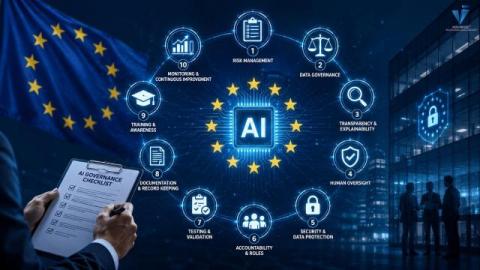
If your business builds or uses artificial intelligence, two names often come up. They are the EU AI Act and ISO/IEC 42001. They are easy to confuse, and getting the relationship wrong either wastes budget or leaves you exposed. This guide explains what each one requires, where they overlap, and how they work together.It shows how compliance leaders, CISOs, and AI product owners can use them without repeating work.It also helps you avoid gaps that could lead to an audit failure. Contents.

GDPR Compliance for Small Businesses: The Complete Guide

GDPR compliance for small businesses means having a documented, evidence-based process for how you collect, use, store, and delete the personal data of EU residents — regardless of your company’s size, revenue, or location. This guide walks through all ten compliance domains regulators expect you to have covered: data mapping, lawful basis, privacy notices, data subject rights, privacy by design, retention, vendors, transfers, breach response, and governance.

DPO as a Service UK: Enhance Data Protection & Compliance

UK organisations need continuous UK GDPR and EU AI Act compliance, and most cannot justify the cost of a full-time hire to deliver it. Here is how DPO as a Service closes that gap — and what to look for in a provider. Contents hide What Is DPO as a Service? Why UK Organisations Need a Data Protection Officer The Cost of Getting This Wrong: Two 2025 Enforcement Cases Key Benefits of Outsourcing Your Data Protection Officer How DPO as a Service Ensures Ongoing Compliance.