Security | Threat Detection | Cyberattacks | DevSecOps | Compliance

Why strategic CISOs need proactive risk reduction, not reactive GRC reporting

Security and GRC teams have no shortage of risk mitigation activities. They are carrying more work than ever, yet many still lack confidence in the data and recommendations produced by all that manual effort. They are also operating in a risk environment that changes faster than their current operating model was designed to support. Unfortunately, the existence of risk activity does not mean actual risk has been reduced.

Empower your team with this comprehensive employee handbook template

Empowering your team starts long before a project kickoff or a performance review. It starts with clarity. A comprehensive employee handbook is one of the simplest ways to give people that clarity, and this template makes it much easier to do well. Companies typically give the handbook to new hires during onboarding so they understand their role, rights, and responsibilities from day one.

Board committee charters: Your governance playbook decoded

A board committee charter is more than governance paperwork; it’s the rulebook that keeps the board’s engine humming when pressure rises and complexity grows. At its best, a charter makes responsibilities visible, removes guesswork, and creates a predictable rhythm for oversight so directors and management spend less time arguing about who should do what and more time solving the right problems.

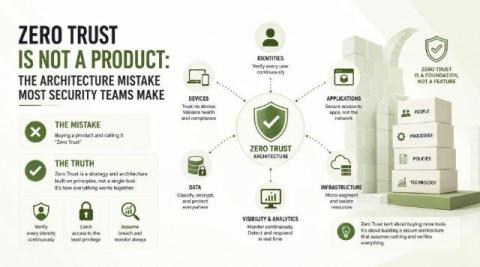
Zero trust is not a product: The architecture mistake most security teams make

Zero trust is not something you buy off a shelf. It is an architectural and cultural shift in how your organization thinks about access, risk, and trust across every layer of your environment. Most zero trust approaches are anchored on three core principles: verify explicitly, use least privilege access, and assume a breach. Verifying explicitly means using strong, context-aware authentication (like MFA, device posture checks, and risk signals) for every connection.

Agentic AI in security operations: Friend, risk, or both

Agentic AI is forcing a hard question on every security leader: when your SOC is full of autonomous “doers” instead of just dashboards and scripts, is that your new best friend or a brand‑new risk surface you barely understand? The honest answer is both, and the way you design, govern, and deploy these systems will decide which side wins.