Security | Threat Detection | Cyberattacks | DevSecOps | Compliance

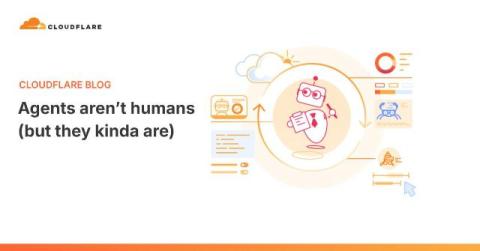
Agents aren't humans (but they kinda are)

AI Agents now act on the web for millions of people. To a Site, an Agent can take many forms. It may be indistinguishable from a human user carrying out a task, or it might look like one visitor carrying many Users. This removes the ability for the Site to recognize, serve, and hold accountable the user or users behind the Agent, and causes the Site to face the costs when something goes wrong.

The Impact of Technology on Modern Packaging and Logistics Operations

Technology has fundamentally transformed how companies package, ship, and track products across the globe. From warehouse automation to smart packaging materials, these innovations have created faster, more efficient, and environmentally conscious supply chains that benefit businesses and consumers alike.

Introducing Zero Wire, a hub for investigating critical Internet vulnerabilities

You run security at your organization. It’s 7:00 am, and you’re having breakfast. You receive a ping: a new critical vulnerability has been disclosed. Your team scrambles to compare vendor advisories, read technical research, check which systems run the affected software, and answer familiar questions from the business: are we affected, and what are we doing about it? Another disclosure arrives before that work is finished.

Security Integrations Break in Boring Ways: A Practical Look at Connector Development

Almost any enterprise SOC looks the same from the inside. Cloud platform. EDR. Identity provider. A couple of firewalls. A vulnerability scanner nobody fully trusts. And a SIEM that's supposed to hold it all together. Every tool works fine on its own. They just don't talk to each other. So the analyst becomes the glue. Terrible job for a person. Burns them out fast.

How Long Can a Misconfiguration Go Undetected?

Cloud applications are constantly evolving to accommodate new users, tools, and ways of working. However, every adjustment can also alter who has access to resources and what they can do with them. A misconfiguration occurs when an active setting fails to meet established security criteria. It can grant more access than necessary, keep an insecure protocol enabled, allow certain actions for too many users, or open a pathway for information to leave the organization.