Security | Threat Detection | Cyberattacks | DevSecOps | Compliance

Secrets Management: Definition, Challenges, and 7 Best Practices

A single leaked password can lead to devastating breaches. Thus, it’s important to understand that managing your organization’s secrets is not just an IT concern — it’s a business-critical security practice. From your customers’ data to the organization’s financial information, your secrets hold the keys to the most vital areas within your infrastructure. If they are not protected, neither is your sensitive data.

How to Disable USB Ports on Windows 11: The Complete Guide (2025)

Unsecured USB ports on Windows devices pose significant security risks, from data theft to malware injection, making robust control essential for data loss prevention (DLP) and regulatory compliance. Basic methods exist within Windows 10/11 itself, such as using Device Manager, Registry Editor, or Group Policy Editor. These built-in options often lack centralized management, specific device whitelisting, and temporary access features necessary for comprehensive enterprise-level security.

What Are Insider Threats & How to Detect Them

Businesses spend a fortune to fight back against external threats, yet one of the most damaging cybersecurity risks is already inside the building. These are insider threats—security risks originating from the very people you trust with access to your network: your employees, contractors, and partners. This isn’t a rare occurrence but a consistent and growing trend.

What is Data Loss Prevention (DLP) & Why It Matters for Your Business

Back to Table of Contents Data Loss Prevention (DLP) plays a crucial role in protecting information such as personal, financial, and confidential business data from accidental exposure, malicious attacks, or insider threats. As businesses increasingly rely on cloud services and remote workforces, implementing effective DLP is essential to safeguard sensitive data, comply with regulatory requirements, and reduce financial and reputational risks.

Redefining Accountability: How User Activity Monitoring Supports Remote Workforce Management

Hybrid work is here to stay, but visibility, consistency, and productivity aren’t keeping pace. Managers are left guessing who’s working effectively, which workflows are efficient, and where digital distractions or compliance risks may be hiding. Without complex data, accountability becomes reactive—or worse, arbitrary.

Top Financial Cyber Threats Facing Businesses in 2025

The world of business is facing a growing wave of cyber threats, especially when it comes to financial security. Cybercriminals are getting smarter, and their tactics are more sophisticated than ever. This isn't just a concern for big corporations; businesses of all sizes need to stay alert. A cyberattack could lead to major financial losses, damage to your reputation, or even legal headaches. In this article, we'll break down some of the top financial cyber threats businesses will likely face in 2025.

Privileged User Management vs. Privileged Access Management: What's the Difference?

Unauthorized access, insider threats, and privilege misuse can all lead to significant data breaches, and often, the root of the problem lies in how privileged accounts are managed. That’s why controlling privileged access is a top security priority for organizations of all sizes. Two common approaches to managing privileged access are Privileged User Management (PUM) and Privileged Access Management (PAM).

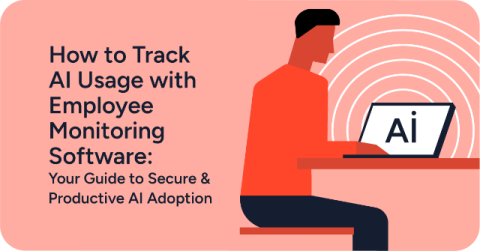
Why AI Usage Monitoring Is Now Mission-Critical

Shadow AI refers to the use of unapproved AI tools in the workplace without IT’s knowledge or oversight. Cisco’s 2025 Data Privacy Benchmark Study found that 81% of organizations lack full visibility into which AI tools their employees are using (Cisco, 2025). If you’re not monitoring AI use, you’re not managing AI risk. And in 2025, ignorance is expensive.

The Principle of Least Privilege: Key Benefits and Implementation Tips

Excessive access rights increase the risk of cybersecurity incidents. Implementing the principle of least privilege (POLP) can help you significantly limit your attack surface and protect your organization from the financial and reputational losses that may follow a cybersecurity breach. This article reveals the importance of POLP and equips you with the best practices to implement it effectively.

The Business Impact of Data Loss and How Prevention Strategies Can Help

Data is the beating heart of every company. The implications of losing important information can be far-reaching and disastrous for not only operations, but customer trust, legal compliance and financial stability. If you are an organization looking to safeguard its assets and reputation, it is important to understand how data loss really affects your business. Just as important is the need to deploy cautiously and effectively preventative measures that protect data. It is one of the many solutions out there, to this Mimecast also provides a comprehensive data loss risk and continuity offering.

The Invisible Colleague: Understanding Shadow AI in the Workplace

The rise of AI tools like ChatGPT, Gemini, Midjourney, and Copilot is reshaping workplaces, with employees adopting these tools to boost productivity and innovation. However, this rapid adoption often occurs without IT oversight, creating Shadow AI - a growing challenge for businesses.

20 Data Exfiltration Examples Every Business Should Know

Businesses across all sectors, from finance to healthcare, hold valuable company data and intellectual property relating to their operations, employees, and customers. But this data has become a prime target for bad actors, including cybercriminals and malicious insiders who are constantly finding new ways to steal it for profit or harm.

9 Key Fators to Consider When Choosing a PAM Solution

Choosing a privileged access management (PAM) solution isn’t just a technical decision — it’s a strategic one. Selecting the right PAM platform is essential for securing your IT infrastructure, ensuring audit readiness, and minimizing business risks. But with so many tools claiming to offer comprehensive protection, how do you separate the truly effective ones from the rest? This article breaks down the nine most important factors to consider when choosing a PAM solution.

7 Key Features to Look For in a PAM Solution

With credentials now being one of the most exploited vectors in cyberattacks, we must go beyond basic access controls and ensure every privileged session is secure, auditable, and justified. That’s why choosing a robust privileged access management (PAM) solution is a must. This post will walk you through the seven best features in PAM solutions that can effectively protect your infrastructure.

The Evolution of Data Loss Prevention: From Perimeter to Insider Risk

Data loss prevention, or DLP as most of us know it, began as a strategy to control how information was stored and moved within organizations. Ultimately the goal was to prevent data from leaving. The premise was simple – identify where sensitive data was stored, define what could or couldn’t happen to it, and enforce those rules through network and endpoint controls. These early DLP tools relied heavily on static content inspection and then blocking or alerting based on pre-configured rules.