Threat Intelligence: Everything You Need to Know
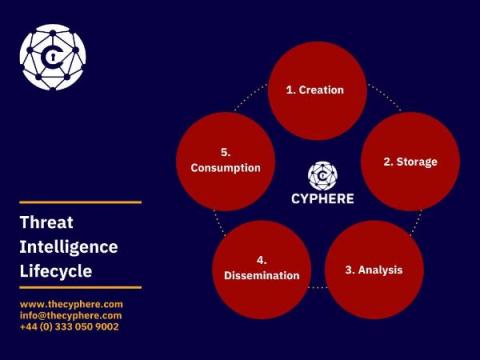
This blog post will discuss the definition of threat intelligence and different stages of the threat intelligence cycle to help you better understand what happens behind the scenes.


This blog post will discuss the definition of threat intelligence and different stages of the threat intelligence cycle to help you better understand what happens behind the scenes.
Cyber threats and attacks are a growing issue for businesses because the amount of vulnerabilities has increased. The volume of global malware has risen 58% annually, and the volume of spam has risen by more than one-third in the past 12 months. These issues have made it more difficult for employees to focus on what they need to do. Zero-day attacks in cyber security are one such challenge for security teams around the world.
The Data Protection Act is an important part of the cyber domain and legislation for anyone working in health and social care. It governs how to protect the information in health and social care. This blog post will explore the implications of the act on healthcare professionals, patients and other individuals who may have dealings with you as an organisation or individual providing care to others and the importance of protecting sensitive data in health and social care.
Supply chain logistics have been the backbone of global trade for hundreds of years. Extending the same concept, with the added digital components gives birth to supply chain cyber security risks. Supply chain cyber security is a topic that has come into the limelight for the last couple of years.
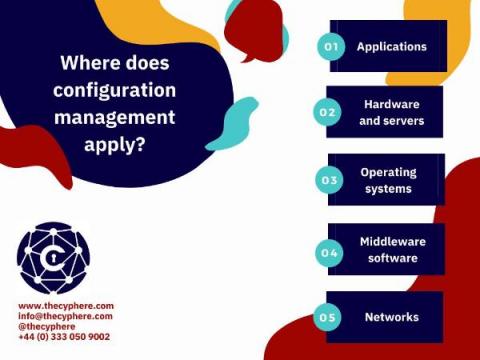
Configuration management (CM) is a process that helps maintain the consistency of software versions and configurations across various environments. It is usually associated with the concept of change control. Configuration management systems help ensure that changes to an application are correctly documented, authorised, tested and deployed in a controlled manner to avoid errors.
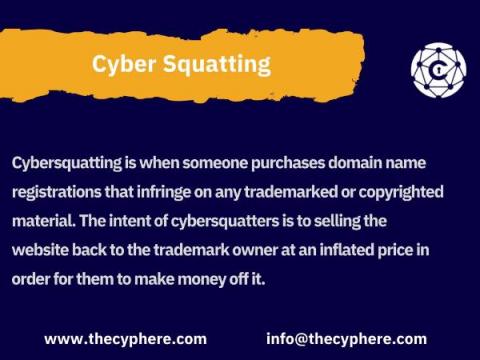
Cybersquatting is a form of cyberspace domain name trademark infringement. In a nutshell, Cyber-squatters registered trademarks as domain names, typically selling the names back to the registered trademark owners at a profit.
A cyber threat is any kind of attack against what we consider cyber security. Cyber security is what we use to protect our computers and networks from intrusions or attacks that can be harmful to us. There are many different types of cyber threats like malware, ransomware, botnets and phishing scams etc.
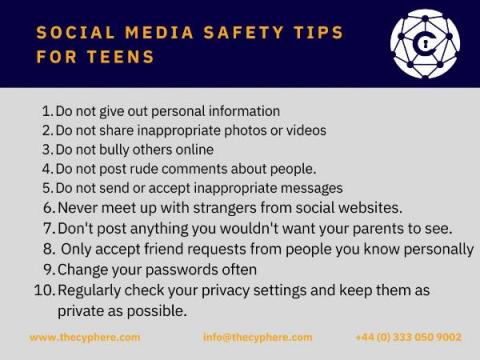
Social media is a part of our lives. It’s a relevant part of our communication and socialisation, but it can also be dangerous. Whether you’re on Facebook, Twitter, Instagram or Snapchat – social networking sites are all over the Internet, and there’s no way to escape them.
It might be hard to believe that your computer can be hacked, you might have heard people saying I have been hacked and it is a serious threat. People have stored a large number of files containing personal information or sensitive data on their computers and attackers are always looking for ways to get access to them. You may be one of those people who claim, that they have been hacked, but they have no idea what to do next or how to repair the breach.
With the rise in hacking and cyber-attacks, it is more important than ever to learn how to prevent hacking of your devices. No one wants their sensitive information or financial data get breached or their identities have taken over by a hacker. In this article, we will discuss tips and techniques for preventing hacking on your computer so you can be safe online.