Security | Threat Detection | Cyberattacks | DevSecOps | Compliance

IIoT Data Hygiene: How Clean Telemetry Improves Reliability

IIoT data hygiene is the set of operational practices that ensure telemetry remains accurate, timely, and trustworthy for monitoring and analytics. In the rush to connect assets, teams often overlook the quality of the data stream itself, leading to noisy alerts and unreliable models. This article focuses on practical actions Ops teams can implement with low risk and limited engineering effort.

Keeping Backup Equipment Secure While Strengthening Digital Defenses

During power outages, cyber-attack incidents, and hardware failure, backup devices allow for many systems to be operational without interruption. To ensure that a backup device operates effectively, it must be maintained in a secure location and in good condition. When backup devices are lost, exposed to environmental conditions, or unorganized, the chance of a backup device working when it is most needed is diminished significantly, which increases the risk of an organization losing access to a required digital resource.

Why More Women Should Be Cybersecurity Experts: A Critical Opportunity for the Future

Cybersecurity is no longer a niche technical discipline reserved for IT departments. It is now one of the most critical global priorities, directly tied to national security, economic stability, and public trust. From ransomware attacks on hospitals to data breaches affecting millions of users, digital threats are increasing in both scale and sophistication.

Digital Signage Security: The IoT Vulnerability Hiding in Plain Sight

Walk through any airport terminal, hospital corridor, or corporate lobby, and you will encounter digital signage displays. They announce flight departures, guide patients to their appointments, and broadcast company news to employees. These screens have become so common that we barely notice them anymore. And that invisibility is precisely the problem. While cybersecurity teams focus their attention on firewalls, endpoint protection, and cloud security, digital signage systems often slip under the radar as low-priority assets. Hackers, however, have taken notice.

Top 5 AI-Powered Debt Collection Solutions for Modern Financial Institutions

Debt collection software is undergoing a much-needed transformation. The era of chasing payments with spreadsheets and manual calls has ended. The data paints a clear picture. Companies are taking action, with 52% now investing in new tools that turn debt collection from reactive to proactive. AI agents have proven their worth, as 66% of executives report improved productivity. The AI-driven debt collection market shows promise and will likely reach $15.9 billion USD by 2034.

The Future Of Cybersecurity: How AI And Machine Learning Are Transforming Penetration Testing

In today's rapidly evolving digital landscape, the protection of sensitive information and critical infrastructure has become more paramount than ever. Traditional cybersecurity measures are increasingly being augmented with advanced technologies like Artificial Intelligence (AI) and Machine Learning (ML). These innovations are now transforming the realm of penetration testing, offering enhanced capabilities for identifying and mitigating vulnerabilities.

Enterprise Platform Engineering Explained: Strategy, Scale, and Success

Every second your team spends working on a product counts, so enterprise-level businesses are exploring ways to scale. Enterprise platform engineering is reshaping how organizations think about developer tools and infrastructure, moving away from ad hoc stacks toward a consistent, self-service internal platform.

Essential Strategies for Companies Focused on Home Upgrades

Home upgrades are steady work even when the housing market shifts. But steady does not mean simple. To grow, contractors and remodelers need tight systems for demand, pricing, installation, and quality. With the strategies below, you can turn everyday chaos into repeatable wins.

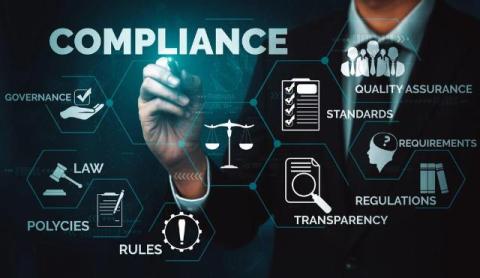
Compliance Requirements That Make Cybersecurity Training Essential

Cybersecurity threats continue to evolve, but one constant remains: human error is still one of the leading causes of data breaches. As a result, cybersecurity training has become more than a best practice-it is increasingly a requirement driven by regulations, insurance providers, and industry standards. Organizations that fail to properly train employees not only expose themselves to cyber risk but may also fall out of compliance with critical legal and contractual obligations.