
Home Security Mistakes That Can Put Your Property at Risk
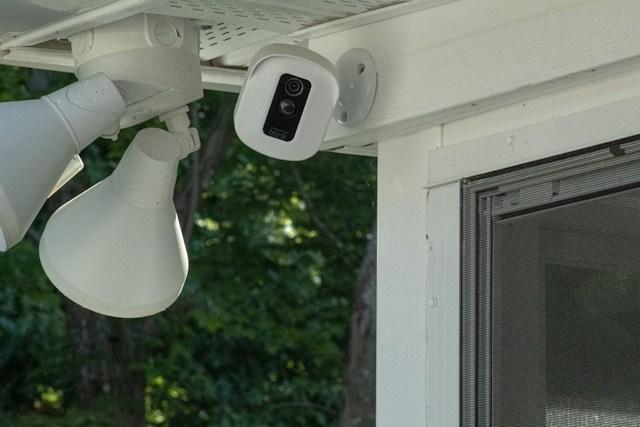
Keeping a home secure involves more than installing strong locks or purchasing a security camera. Many vulnerabilities develop through everyday habits, overlooked maintenance, and decisions made when renovating or improving a property. Even homeowners who invest in modern security technology can leave certain areas exposed without realizing it.
Residential security also extends beyond preventing unauthorized entry. Protecting valuable equipment, maintaining exterior structures, and managing access to outdoor spaces are important parts of preserving a property. Garages, gardens, storage buildings, and recreational areas deserve attention alongside the main house.
The most effective approach combines practical precautions with regular inspections and sensible planning. Understanding common security mistakes allows homeowners to identify weaknesses before they become serious problems. By addressing these issues systematically, residents can create safer surroundings while continuing to enjoy the convenience and comfort of their living spaces.
Overlooking Security When Adding Outdoor Features
Home improvement projects often focus on comfort, appearance, and functionality, leaving security considerations until the installation is complete. This can create avoidable problems, particularly when expensive equipment is placed in gardens, patios, or detached structures.
Outdoor kitchens, entertainment systems, and wellness installations all benefit from early planning around access, visibility, and protection. Positioning valuable equipment within clearly defined private areas and providing suitable lighting can improve both convenience and security.
For example, homeowners exploring outdoor sauna options through premiumsaunas.com can incorporate security planning into the design of a new wellness space. A dedicated sauna area can be complemented by well-positioned pathways, appropriate exterior lighting, and secure access points that contribute to an attractive and organized garden.
The key is to consider how the entire outdoor space functions rather than treating individual installations as separate projects. Thoughtful landscaping, reliable gates, and clear boundaries can help homeowners protect their investments without compromising the property's appearance.
Planning security alongside improvements also reduces the likelihood of needing expensive modifications after construction or installation.
Relying on Weak or Outdated Door Locks
Doors remain among the most important access points in any home, yet their condition is often overlooked until something stops working.
Older locks, damaged doorframes, and poorly fitted hardware can reduce the effectiveness of an otherwise solid entrance. Homeowners may also continue using locks inherited from previous occupants without knowing how many keys remain in circulation.
Inspecting exterior doors provides an opportunity to identify loose hinges, deteriorating frames, and locking mechanisms that no longer operate smoothly.
Upgrading appropriate hardware and ensuring that doors close securely can improve protection.
Smart locks offer additional convenience through features such as temporary access codes and remote management, although they should be selected according to the household's needs.
Regardless of the technology used, dependable installation and regular maintenance are essential.
Leaving Windows and Secondary Entrances Unprotected
Front doors usually receive the most attention during home security planning, but windows and secondary entrances can be equally important.
Basement windows, side doors, garage connections, and garden entrances may receive less regular inspection, particularly when they are rarely used.
Homeowners should check whether windows close correctly and whether locking mechanisms remain functional.
Exterior lighting can improve visibility around entrances, while suitable window coverings can limit unnecessary views into private rooms.
Detached garages and storage sheds also require dependable locks, especially when they contain bicycles, tools, or other valuable belongings.
A complete security assessment should include every practical access point rather than concentrating exclusively on the most visible entrance.
Installing Security Cameras Without a Clear Plan
Security cameras have become increasingly accessible, but purchasing several devices does not automatically produce effective coverage.
Poor positioning may leave important entrances outside the camera's field of view. Excessive distance, unsuitable lighting, and physical obstructions can also reduce image usefulness.
Before installing cameras, homeowners should identify the areas they want to monitor and consider how different devices will work together.
Entrances, driveways, and selected outdoor access points are common priorities.
Camera placement should also respect neighboring properties and applicable privacy requirements.
Regularly checking recording functions, storage settings, and device connections helps ensure that the system remains operational.
An appropriately planned camera arrangement is generally more valuable than installing equipment without considering its actual coverage.
Forgetting to Secure Smart Home Devices
Connected technology has introduced convenient ways to manage household security, but digital protection is an important part of the overall system.
Smart cameras, electronic locks, alarms, and connected lighting frequently communicate through home networks. Weak passwords or outdated software can create unnecessary vulnerabilities.
Homeowners should replace default credentials, enable multifactor authentication where available, and install security updates provided by device manufacturers.
A strong home Wi-Fi password is equally important.
Reviewing connected devices periodically can help identify equipment that is no longer needed or applications that retain unnecessary access.
Digital security should be treated as a regular household responsibility rather than a one-time setup task.
These precautions help protect the technology intended to make the property more secure.
Making It Obvious When Nobody Is Home
Daily routines can unintentionally reveal when a property is unoccupied. Consistently dark windows, accumulated deliveries, and unattended exterior maintenance may suggest that residents are away for an extended period.
Simple arrangements can make absences less noticeable.
Timers or smart lighting systems can operate selected lights according to familiar household schedules. Trusted neighbors may also help by collecting deliveries or reporting unusual activity.
Homeowners should be thoughtful about sharing detailed travel plans publicly, particularly when social media posts identify the property or reveal how long it will remain empty.
Mail management and routine garden maintenance are also worth arranging before longer trips.
These precautions are relatively straightforward and can complement existing security equipment.
Neglecting Regular Security Inspections
A home security system can gradually become less effective when equipment and access points are not maintained.
Outdoor lighting may stop working, batteries can lose power, and gates or locks may deteriorate through repeated use.
Seasonal inspections provide an opportunity to identify these issues before they affect household protection.
Homeowners can check exterior doors, test alarms, review camera operation, and inspect fences or gates for damage.
Changes to the property should also trigger a fresh assessment. Renovations, new outdoor installations, and altered landscaping may affect visibility or access.
Keeping a simple maintenance schedule makes these checks easier to manage.
Security is most effective when it evolves alongside the property rather than remaining unchanged after the initial installation.
Ultimately, protecting a home requires attention to physical structures, digital systems, outdoor areas, and everyday habits. Small oversights can create vulnerabilities, but many are relatively straightforward to address through careful planning and consistent maintenance.
By considering security during home improvements, maintaining reliable equipment, and reviewing access points regularly, homeowners can create a more protected property without sacrificing comfort or convenience.