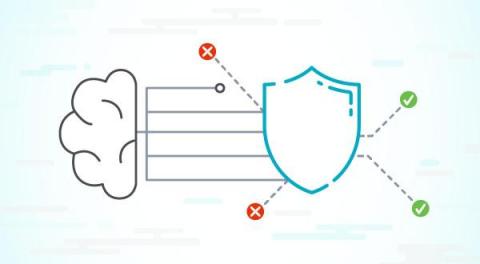
Contrary to what you might have read on the Internet, machine learning (ML) is not magic pixie dust. It’s a broad collection of statistical techniques that allows us to train a computer to estimate an answer to a question even when we haven’t explicitly coded the correct answer into the program.
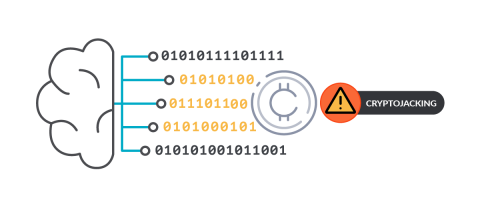
Is cryptojacking draining your resources and exposing your organization to financial and reputation damage risk? The rise in cryptojacking, which is an illegal form of mining cryptocurrency by the unauthorized use of someone’s computing resources, has reached alarming levels. According to the Google Threat Horizon report, 86% of compromised cloud instances in 2021 were used for cryptomining. That paints the picture quite clearly.
Cryptominers are one of the main cloud threats today. Miner attacks are low risk, low effort, and high reward for a financially motivated attacker. Moreover, this kind of malware can pass unnoticed because, with proper evasive techniques, they may not disrupt a company’s business operations. Given all the possible elusive strategies, detecting cryptominers is a complex task, but machine learning could help to develop a robust detection algorithm.
During the last few years, we have witnessed an increase in advanced cyber attacks. Cybercriminals utilize advanced technology to breach the digital boundary and exploit enterprises’ security vulnerabilities. No industry feels secure; security professionals do their utmost to close security gaps and strengthen their cyber defense.
This is the fifth in a series of articles focused on AI/ML. Source code is a critical part of an organization’s intellectual property and digital assets. As more and more centralized source code repositories are moving to the cloud, it is imperative for organizations to use the right security tools to safeguard their source code.
CrowdStrike data scientists often explore novel approaches for creating machine learning pipelines especially when processing a large volume of data. The CrowdStrike Security Cloud stores more than 15 petabytes of data in the cloud and gathers data from trillions of security events per day, using it to secure millions of endpoints, cloud workloads and containers around the globe with the power of machine learning and indicators of attack.
At CrowdStrike, we combine cloud scale with machine learning expertise to improve the efficacy of our machine learning models. One method for achieving that involves scanning massive numbers of files that we may not even have in our sample collections before we release our machine learning models. This prerelease scan allows us to maximize the efficacy of our machine learning models while minimizing negative impact of new or updated model releases.