Last month, we hosted a webinar, Hunting for persistence using Elastic Security, where we examined some techniques that attackers use in the wild to maintain presence in their victim’s environment. In this two-part blog series, we’ll share the details of what was covered during our webinar with the goal of helping security practitioners improve their visibility of these offensive persistence techniques and help to undermine the efficacy of these attacks against their organization.
Building an in-house SOC represents a significant commitment, both financially and strategically, to securing your enterprise. In a report from the Ponemon Institute—based on a survey sponsored by Devo of more than 500 IT and security practitioners—67 percent of respondents said their SOC was “very important” or “essential” to their organization’s overall cybersecurity strategy.
In 2019 multiple cities, hospitals and educational institutions in the U.S. were crippled by ransomware, including Baltimore, Atlanta, New York City, Regis University in Denver and Monroe University in New York. In the the last 12 months, the infosec community has seen these ransomware operators seriously upping their game (see Ryuk ransomware).
The evolution of Security Information and Event Management (SIEM) is deeply intertwined with cloud computing, both in terms of technological breakthroughs the cloud provided and from its inherent security challenges. With the rise of cloud computing, we no longer rely on long-lived resources. An ephemeral infrastructure obscures the identity of the components and, even if you do have the visibility it doesn’t necessarily mean you can comprehend the meaning behind the components.
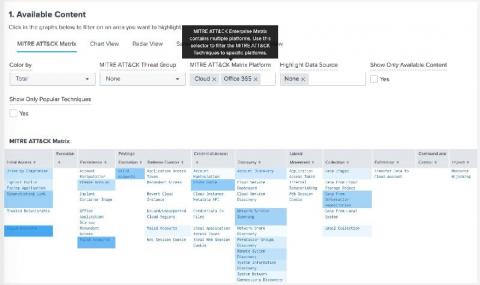
With more and more endpoints accessing your network remotely, you should expect rapid increases in VPN connections and usage, as well as exponential usage of cloud-based services. There are numerous Splunk apps that can help you increase the monitoring of remote endpoints but let’s showcase Splunk Security Essentials (SSE).
With the release of Elastic Security 7.6, we've announced our creation of a modern detection engine that provides SOC teams with a unified SIEM rule experience through Elastic SIEM detections. The detection engine draws from a purpose-built set of Elasticsearch analytics engines and runs on a new distributed execution platform in Kibana.
You’ve probably heard by now that we face a severe shortage of cybersecurity professionals with the skills and experience necessary to effectively defend against today’s—and tomorrow’s—threats. Cybersecurity Ventures estimates there will be 3.5 million unfilled jobs globally by 2021. Fortunately, there are key areas of the SOC workflow that can be automated to take advantage of security analyst intuition and act as a force multiplier.