Security | Threat Detection | Cyberattacks | DevSecOps | Compliance

Comprehensive, Continuous, and Compliant: Obtain Proactive Insights with Splunk Asset and Risk Intelligence

The Splunk team is excited to announce the release of the latest addition to our security product portfolio, Splunk Asset and Risk Intelligence (ARI). The modern digital landscape is a complex mix of devices, users, and a wide array of products and applications, all spread across on-prem, cloud, and hybrid environments.

Fortify Digital Resilience with Splunk + Cisco Talos Incident Response

On the day that Splunk officially became part of Cisco, our leadership outlined key ways we’d come together to support customers to achieve business-critical outcomes, noting: In the short time since then, we’ve already made significant strides, demonstrated by our announcements of: As we continue to build on this momentum, we’re excited to announce the availability of Cisco Talos Incident Response services to Splunk customers.

LLM Security: Splunk & OWASP Top 10 for LLM-based Applications

As a small kid, I remember watching flying monkeys, talking lions, and houses landing on evil witches in the film The Wizard of Oz and thinking how amazing it was. Once the curtain pulled back, exposing the wizard as a smart but ordinary person, I felt slightly let down. The recent explosion of AI, and more specifically, large language models (LLMs), feels similar. On the surface, they look like magic, but behind the curtain, LLMs are just complex systems created by humans.

The Power of Combining a Modular Security Data Lake with an XDR

The 2024 Global Digital Trust Insights survey from PwC reports that 36% of businesses have experienced a data breach that cost more than $1 million to remediate. Cyber threats are clearly on the rise and in today’s volatile threat environment, it is a matter of when - not if - a cybersecurity incident will occur. Digital adversaries are becoming more sophisticated and relying on weak links to exploit company applications and infrastructure.

The Importance of Firewall Logs

A firewall is a crucial network security element that forms a barrier between an internal network (e.g. a company's intranet) and external networks (e.g. the Internet). A firewall's main objective is to regulate and monitor incoming and outgoing network traffic based on prescribed rules. This helps prevent unauthorized access, safeguards sensitive data, and mitigates security risks.

What is an account takeover?

Whether you’re a Halloween or comic con fan, dressing up as your favorite character is something you’ve probably done at least once in your life. As a kid, you were excited to put on that flimsy Batman mask and cape, thinking you looked just like the hero you saw on the movie screen. As an adult, getting or making the most move-accurate costume may allow other people to think that you are the actor in disguise.

Embracing Observability Tools to Empower Security Incident Response

Companies spend a huge amount of their budget trying to build, manage, and protect cloud environments. Since there is no industry standard for sharing data feeds between development and security, each team is on an island trying to figure out how to keep their side of the room clean. The most robust security incident response teams understand the incredible value of using observability telemetry for security workflows, but are unsure how to make it happen in practice.

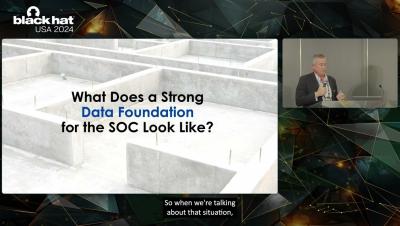
It's Time for SIEM to Act Like a Security Data Platform

What you’re doing isn’t working. Despite best efforts, the scale of cybersecurity data is outpacing the ability of security information and event management (SIEM) solutions to identify and stay ahead of digital threats. Incremental improvements can’t keep pace with the scale of data contained in cloud solutions and the scope of data created by new tools, like generative AI. The result? It’s time for transformation—and time for SIEM to act like a security data platform.