Cyber hygiene has become a highly visible topic in all business segments. Creating software and new features happens at a very fast pace — requiring lots of internal processes and operations to keep this up to date. However, it's also very important to be concerned with the fundamentals of information security in order to keep the company's digital assets protected. In this post, we'll discuss in detail the concept of cyber hygiene and some good practices to follow.
Classic (SimpleXML) dashboards are a powerful tool for you to share information with users and can include links for users to continue their investigations in other pages. As you likely already know, you can include external content in your Classic dashboard using HTML panels. You can also include external links or configure drilldowns to external URLs.
Every second, as your IT systems run every facet of your business, they are also creating data related to the health, performance and security of the systems themselves. This information, known as log data, is vital to SecOps, ITOps and DevOps teams as they seek to understand how the IT environment is functioning — and how secure those assets are.
In cybersecurity, one thing is certain: the bad guys are relentless. They never stop working and scheming to find new ways to attack weaknesses in data security. Their objective is criminally simple: breach organizations to steal and monetize data. And they use every means possible to do it. On the other side are cybersecurity companies and the professionals who work for them. We never stop working to improve our products and services to protect our customers from those global threat actors.
In cybersecurity, the things to consider are endless. Before we get ahead of ourselves, let’s make sure we fully understand three fundamental concepts of security: In this article, we’ll look at these security concepts in depth and hear from industry experts. (For the latest and greatest in all things security, check out the Splunk Security Blog & these Cybersecurity and InfoSec Events & Conferences.)
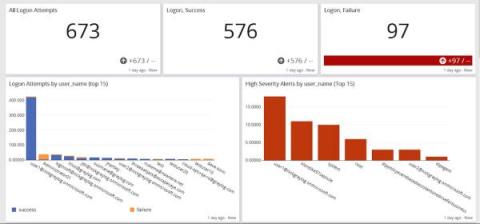
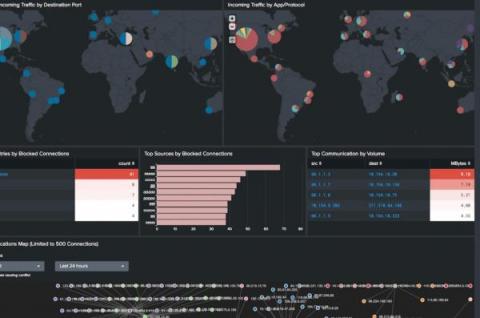
With the overwhelming amounts of data, security teams need dynamic, real-time visualization capabilities to quickly make sense of the data they need to manage so they can take action where needed and convey the status of their security posture. Devo makes these objectives easy to accomplish using Activeboards.
Splunk embodies the top 5 principles of unified security and observability, and has been an expert in log management, security, and observability for years.