Security | Threat Detection | Cyberattacks | DevSecOps | Compliance

The Docker project turns 10! Looking back at a decade of containers

March 15, 2023 marked the 10-year anniversary of Solomon Hyke's famous PyCon lightning talk, when he introduced the world to Docker. Let’s look back at how much has changed and hear from some folks who have stories about blazing the trail toward the containerized world we live in today.

AWS top 10 misconfigurations and how to fix them: A cheat sheet

Amazon Web Services (AWS) remains the dominant cloud provider, with 40.8% of the market share. Many enterprises and organizations today have some, if not most, of their infrastructure on Amazon Web Services. AWS helps organizations accelerate their digital transformations and innovate faster, but there are common misconfigurations when moving to AWS.

New language-specific Snyk Top 10 for open source vulnerabilities

Developers use open source code because it facilitates fast development. In fact, the vast majority of code in modern applications is open source. But just like any other code, open source libraries are open to vulnerabilities that can negatively affect a wide range of end-user products. So with widespread usage of open source, it's important for teams to be aware of the risks that can be hidden in the libraries they use.

Preventing XSS in Django

Cross-Site Scripting (XSS) is a type of vulnerability that involves manipulating user interaction with a web application to compromise a user's browser environment. These vulnerabilities can affect many web apps, including those built with modern frameworks such as Django. Since XSS attacks are so prevalent, it's essential to safeguard your applications against them. This guide discusses how XSS vulnerabilities originate in Django apps and what you can do to mitigate them.

CISO playbook: 3 things to consider when establishing a security culture

Establishing a thriving security culture across your organization will rely heavily on your developer teams. Therefore, engaging with developers early and often while you build your security program is vital. In this playbook for Chief Information Security Officers (CISOs), we explore how to build a security culture across your organization by considering the following three things.

Cultivating Developer Adoption

Many organizations are encouraging their developer teams to adopt a security mindset and take more ownership on security issues earlier in the development process. But how can that actually be achieved effectively and what a successful program looks like in practice? In this recording, we’ll discuss some of the program lessons we’ve learnt from many enterprises that are going through this process and investigate different methodologies for implementing DevSecOps and will share what are best practices to follow and common pitfalls to avoid.

Comparing Node.js web frameworks: Which is most secure?

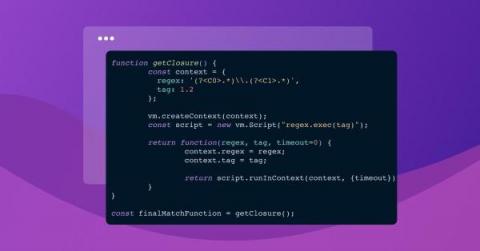
JavaScript is the world’s most popular programming language, providing many web frameworks that help developers build secure, reliable Node.js web applications. Each framework has unique features, and which framework is right for you depends on your preference and the type of application you intend to create. With so many frameworks available, you need a way to assess their security.

Stranger Danger: Your JavaScript Attack Surface Just Got Bigger

Building JavaScript applications today means that we take a step further from writing code. We use open-source dependencies, create a Dockerfile to deploy containers to the cloud, and orchestrate this infrastructure with Kubernetes. Welcome - you're a cloud native application developer! As developers, our responsibility has broadened, and more software means more software security concerns for us to address.

Snyk Workflows - Builds & Branching

Snyk integrates with your IDEs, repos, workflows, and automation pipelines to add security expertise to your toolkit. The “menu” of options available to you is extensive, so we created this three-part series to get you started and running. What about when you need to compare different versions of code? This third session of the series covers the more advanced topic of builds and branching and more.