Supply chains are an essential part of today’s on-demand economy. However, they also expand your ecosystem, increasing the threat surface that you need to secure. While compliance assessments document vendor controls and enable you to manage third-party risk, responding to and completing them takes time. These delays can make your procurement team feel like you’re trying to disqualify their vendor.
As more companies migrate to the cloud, the way that companies protect data changes as well. In a traditional on-premises network architecture, companies were able to follow the “trust but verify” philosophy. However, protecting cloud data needs to take the “never trust always verify” approach. Understanding what a Zero Trust Architecture is and how to implement one can help enhance security.
This past year saw nearly a 300% increase in reported cybercrimes, according to the FBI’s Internet Crime Complaint Center (IC3). There has been a clear rise in threat volume and sophistication as many cybercriminals shift to techniques that can effectively evade detection and easily go after high-value targets. IoT devices are becoming a focus for threat actors, and threats related to credential harvesting and ransomware are also growing in number.
Coming into force on May 25th, 2018, the General Data Protection Regulation (GDPR) was a landmark for data protection. Trading blocs, governments, and privacy organizations took note, and over the last three years, GDPR has inspired new data privacy legislation worldwide.
In a SecureAuth survey, 62% of respondents claimed to use the same password across three to seven different accounts. It begs the question: If passwords play an integral role in cybersecurity performance, why are people so remiss when it comes to practicing good password hygiene? Practicing good password hygiene is a security measure that organizations must take to protect against cyber threats.
In the world of cybersecurity, there are no holidays and days off as proven by the ransomware attacks that began during the Fourth of July weekend, impacting users of the Kaseya VSA remote management and monitoring software.
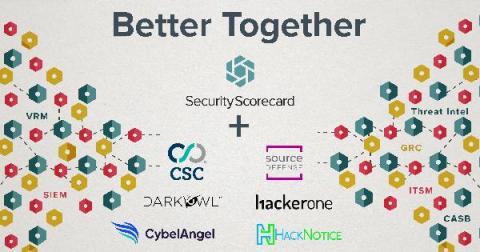
Security ratings are one out of the myriad of tools that security, IT, and vendor risk management teams rely on. In fact, we know that companies deploy an average of 47 different cybersecurity solutions and technologies; yet only 39% of security leaders believe that they are getting full value from their security investments. That’s why we built our Zapier app, enabling you to connect SecurityScorecard to over 3,000 apps and automate key workflows based on SecurityScorecard data.
Mergers and acquisitions (M&A) enable companies to add products and services to their portfolios, giving them a way to scale their business. To gain true visibility into a company’s long-term impact on your organization’s bottom line, you need to understand all assets and liabilities, including digital ones.