Security | Threat Detection | Cyberattacks | DevSecOps | Compliance

CISOs Brace for a Wave of AI-Powered, Domain-Based Cyber Threats

Domain-name system (DNS)- based cyber attacks are becoming increasingly complex, and AI will only make managing them even more challenging. According to a recent report, Chief Information Security Officers (CISOs) anticipate a tumultuous season of cyber threats, with low confidence in their abilities to defend against them effectively.

Why Your Organization's Security Awareness Training Isn't Working

Your IT department just sent out its annual reminder to complete security awareness training. Employees dutifully clicked through their training modules, passed a short quiz, and checked off the compliance box for another year. Ask yourself, does this process really give you confidence that your organization is prepared to dispel today’s security threats? Well, the odds aren’t in your favor.

TPCRM Framework: Building Digital Trust for Modern Enterprises

Third-party cyber risk management (TPCRM) has emerged as a critical discipline, moving beyond traditional approaches to address the unique and evolving cyber threats posed by vendor relationships. This post explains the core tenets of TPCRM, outlines key requirements for ideal tools, and suggests implementation strategies for this new, important branch of cybersecurity.

AI is already embedded in our everyday tools, often without us realizing it. | UpGuard #ai

“AI is already embedded in our everyday tools, often without us realizing it. That changes how security teams need to adapt.” Hear from Randy Vickers, Deputy CISO at the National Student Clearinghouse, in this fireside chat from UpGuard Summit 20, as he shares how his team is staying ahead of AI’s evolving role in cybersecurity.

Open Chroma Databases: A New Attack Surface for AI Apps

Chroma is an open-source vector store–a database designed to allow LLM chatbots to search for relevant information when answering a user’s question–and one of many technologies that have seen adoption grow with the recent AI boom. Like many databases, Chroma can be configured by end users to lack authentication and authorization mechanisms.

Third Party Security: Building Your Vendor Risk Program in 2025

Are you confident your vendors can withstand a cyber attack? If not, you should continuously evaluate your third-party security, especially if you’re sharing sensitive customer data across your vendor ecosystem. In this post, we break down the concepts of third-party security and provide an actionable roadmap for effectively strengthening this essential branch of cybersecurity across your organization.

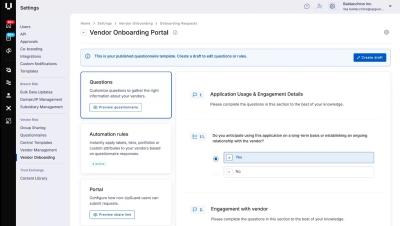
Vendor Security Review: Key Components And Implementation

Your vendors are essential partners, but they could also be your organization's biggest hidden security risk. A robust vendor review process is the key to ensuring onboarded vendors align with your cybersecurity standards and don't increase your likelihood of suffering a data breach. This guide outlines everything you need to know to build a structured, repeatable, and scalable vendor security review process.

Shadow AI leak exposes data from 571 Canva Creators #ai #cybersecurity #dataleak #vendor #vendorrisk

571 Canva Creators had their personal data exposed by an unsecured Chroma database. The database, used by Russian AI startup My Jedai, contained 341 document collections. One of these collections included survey responses with emails, countries of residence, and detailed feedback on the Canva Creators program. This isn’t your typical breach. It’s the result of unsecured AI infrastructure.