Security | Threat Detection | Cyberattacks | DevSecOps | Compliance

How to Establish an Insider Risk Security Team

The new era of remote work launched by COVID has given millions of employees the ability to work on their own terms and spend more time with their families. Unfortunately, remote work also comes with certain security risks, as organizations now need to guard against increased exposure to cybersecurity concerns with little physical oversight. But embracing remote work does not need to mean handing employees’ laptops with sensitive company information and hoping all goes well.

Are Your Employees Creating Risks For Your Organization While Working at Home?

This is the important question that Veriato Head of Product & Technology, Jay Godse asks in his new article, published this week. With so many employees working from home, it’s hard for CISOs, managers and HR leaders to know what they are doing, and that creates risk. Don’t wait until it’s too late. Threats to the company are much harder to spot when people are working at home.

Insider Risk: Are You Monitoring Employees Working Outside Your Network?

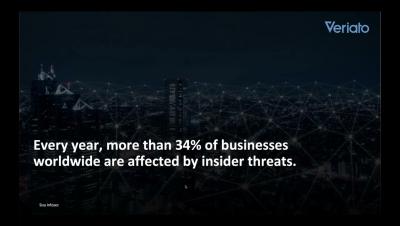
Every employee is hired to do a job, but every employee also represents potential risk to their company. In the past year, 68% of employers have noted an increase in insider attacks. The top attacks include fraud, monetary gain and IP theft and cost companies millions of dollars. One major reason for an increase in insider risk in the past year is remote work. Not only are people outside of their manager’s physical view, they are often working outside of their company’s network.

Insider Risk Looms the Manufacturing Industry: Tips to Mitigate

The rising adoption of digital processes in manufacturing has fundamentally changed how this sector does business. The increased reliance on digitization and network connectivity has sharpened the risks of company data exfiltration, intellectual property damages, and more, especially those stemming from insiders. Insider threat actors operate from a position of trust that allows them to circumvent security and evade detection for months, if not years.