AppSec Leader Veracode Thrives in Record-Breaking Year for Cybersecurity
2021 delivers strong growth and business momentum, with 13 percent revenue increase YoY.


Ever since the public exploit of the Log4Shell remote code execution (RCE) vulnerability became known on December 10, 2021, security teams have been scrambling to understand the risk to their environments. Part of that scramble has been to ascertain which tools are best positioned to help detect the vulnerability. Which approaches are most effective and where do they fall short?
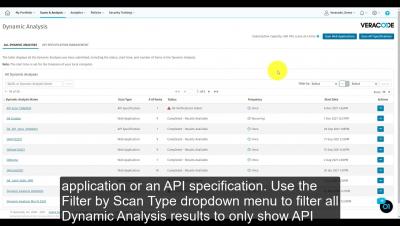
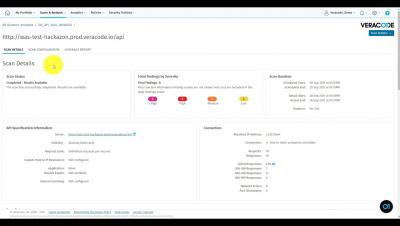
It’s Clint Pollock, principal solutions architect, here for the final lesson in the four-part series on how to use Veracode from the command line in the Cloud9 IDE to submit a software composition analysis (SCA) scan and a dynamic scan. To start, if you’re looking to leverage the Veracode API signing docker image with the Veracode rest APIs, go to the Help Center, go to the Rest API section, and take a look at the available options.
The Open Web Application Security Project (OWASP) is a nonprofit organization with the purpose to help secure software. They provide data that can give engineering and security teams a better idea of where the most common risks may lie. The 2021 OWASP Top 10, released in November 2021, lists the most critical web application security risks. But OWASP also maintains the API Security Top 10 project which was last updated in 2019. Each category is ranked based on the frequency and severity of the defect.
On December 9, 2021, a zero-day vulnerability in Log4j 2.x was discovered. This vulnerability is of great concern because if it’s successfully exploited, attackers are able to perform a RCE (Remote Code Execution) attack and compromise the affected server. Since we are a cloud-based Software Composition Analysis (SCA) provider, we have useful customer data that gives insight into the scope of the Log4j vulnerability.