Security | Threat Detection | Cyberattacks | DevSecOps | Compliance

What is DORA? How to prepare your business for compliance

Designed to support the digital resiliency of financial institutions in the EU and UK, the Digital Operational Resilience Act is set to go in effect in January 2025. In this blog, we take a deep dive into what organizations must do in order to be compliant with this new legislation. Digital resiliency is one of the financial sector's most significant challenges today.

KrakenLabs' Threat Actors Naming Convention

KrakenLabs has developed a new naming convention that uses poisonous plants to represent the origin and criminal activities of threat actors. This approach provides a creative way to classify different types of threat actors, allowing security professionals to quickly understand the nature and behavior of the threat actor, which is helpful for identifying and mitigating threats effectively.

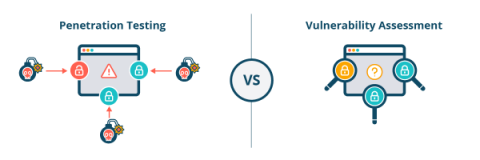
What's the difference: Vulnerability scanning vs Penetration testing

Vulnerability scanning and penetration testing should be an essential part of your cybersecurity strategy. This blog discusses the above methods in the context of securing your web applications, including the benefits, drawbacks, and compliance implications. Table of contents: What is a vulnerability scan? What is a penetration test? What are the drawbacks of the traditional pen test model? Should I only to pen tests, vulnerability scans, or both?

Another Password Manager Breach: Practical Tips to Protect Stolen Credentials

In light of recent password manager breaches, our experts have provided tips on how to protect your organization from compromised credentials. In recent weeks, cybersecurity has once again been thrust into the spotlight with the news that both LastPass and Norton LifeLock, two popular password management services, have been targeted in cyberattacks, resulting in the compromise of customer password manager accounts.

Everything you need to know about the LummaC2 stealer: Leveraging IDA Python and Unicorn to deobfuscate Windows API Hashing

In this blog post, the KrakenLabs team will take a deep dive into a malware sample classified as LummaC2, an information stealer written in C language that has been sold in underground forums since December 2022. We assess LummaC2’s primary workflow, its different obfuscation techniques (like Windows API hashing and encoded strings) and how to overcome them to effectively analyze the malware with ease.

Traffers and the growing threat against credentials

The Rising Threat of Traffers report, compiled by Outpost24’s Threat Intelligence team, KrakenLabs, provides a deep dive into the credential theft ecosystem, and encourages organizations to evaluate their security measures against these evolving threats. In recent years, the theft of credentials has evolved into a highly professionalized cybercriminal activity.

Five key takeaways from Outpost24's Cyber Resilience Day

True to its theme ‘Cyber Resilience’, our recent cyber security gathering was able to dissect the fast-moving threat landscape with insights and information nuggets from a panel of security experts and practitioners on the shortcomings and the need for better use of threat intelligence. Here are five takeaways from the Cyber Resilience Day in Breda co-hosted with our customer CM.com and a panel of cybersecurity experts.

Responsible disclosure: Access control vulnerability discovered in the ThingsBoard IoT platform

On December 2022, a security researcher from the Outpost24 Ghost Labs team discovered a vulnerability on the ThingsBoard IoT platform, where a normal user’s privileges can be escalated, by doing a simple post with an additional header, and exploiting the associated flaws, to take control over the entire platform and related accounts. Upon reporting of the vulnerability to the vendor, it was quickly resolved.