Security | Threat Detection | Cyberattacks | DevSecOps | Compliance

How to Automate Payment Page Script Audits for PCI DSS: 6 Hours to 6 Minutes

Most teams spend more than 40 hours a week just keeping their payment page script inventories updated. And that’s meticulous work as they have to load the page, watch what scripts fire, map domains, and compare it all to the last version, just to ensure the changes are documented before the details go stale. Also check out How to Maintain PCI Compliance Across Hundreds of Payment Pages But for organizations with 50 to more than 200 payment pages, it goes even further.

How to Maintain PCI Compliance Across Hundreds of Payment Pages

When you’re operating with just five payment pages, PCI feels predictable. Not because controls are simple, but because the variables are contained. It’s simple math. You know the pages. You know the scripts. You know how often they change and who owns each one. So the environment is small enough that nothing surprises you, and predictability becomes the default. But then, your organization grows. New products, regional variants, A/B experiments, and acquisitions all add up.

Goshen & Hancock Settle Meta Pixel Lawsuits: Healthcare Tracking Risk

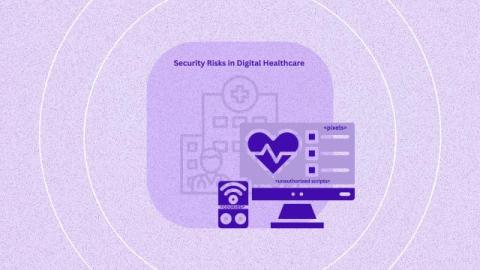
Two Indiana healthcare providers, Goshen Health System and Hancock Regional Hospital, recently reached settlements tied to the use of website tracking technologies, including Meta Pixel. Neither organization admitted to any deliberate misconduct, emphasizing that the settlement is done to avoid the cost and disruption of continued litigation.

HIPAA Tracking Pixels Without Vendor BAAs: Google, Facebook, and More

It starts with a simple audit. Your legal team checks Business Associate Agreements after OCR’s tracking technology guidance. Google Workspace BAA: signed. Analytics platform BAA: signed. CRM and marketing tools: covered. Then the question that changes everything: Do we have BAAs for the tracking pixels on our patient pages?

OAIC compliance guide: Australian Privacy Principles (APPs) for web and mobile

The Office of the Australian Information Commissioner’s (OAIC) 2025 approach places more weight on how systems behave than how policies read. It reflects a broader shift that has been building for some time. APP 11, in particular, now rests on understanding the small, routine movements inside modern web and mobile environments. It’s because the environment drift rarely announces itself. New endpoints appear, SDK permissions adjust, and minor code changes influence how data is handled.

Understanding HIPRA: What Health App Companies Must Prepare For

As a health-related technology company, you are not registered as a “healthcare provider”; therefore you are not HIPAA-covered. But under the Health Information Privacy Reform Act (HIPRA), your health app, wearable, or connected device may soon be held to the same privacy and security expectations as one.

The Pomona Valley HIPAA Violation

On November 6, 2025, The HIPAA Journal reported that Pomona Valley Hospital Medical Center (PVHMC) agreed to pay $600,000 to settle a class action lawsuit over its use of Meta Pixel and similar website-tracking technologies. The case, Warren v. Pomona Valley Hospital Medical Center, centered on how these tools may have unintentionally transmitted user identifiers and patient information to third parties such as Meta (Facebook).

How to Prevent Website Data Leaks: GDPR, HIPAA, PCI DSS Compliance

Website data leaks don’t require hackers. They happen when legitimate scripts, analytics pixels, and chat widgets transmit sensitive data to third parties through routine operations. Traditional security tools miss these leaks because they monitor server-side traffic while the exposure occurs in customer browsers. This visibility gap is why organizations use client-side monitoring platforms to detect browser-level data flows that security tools can’t see.