Security | Threat Detection | Cyberattacks | DevSecOps | Compliance

Using LLMs to filter out false positives from static code analysis

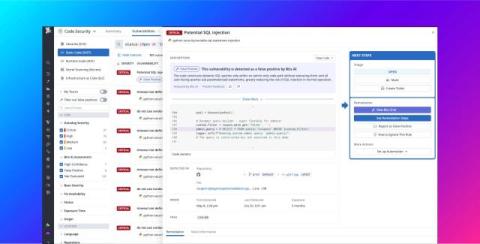
Static application security testing (SAST) is foundational to modern application and code security programs. Yet these tools inevitably produce false positives that require manual review. When scanners find vulnerabilities that are not genuine issues, they erode trust, slow down remediation, and make it harder for teams to understand which alerts require attention.

Static Code Analysis: The Complete Guide to Getting Started with SCA

Static code analysis wasn’t always built into the development process. That means most bugs were detected during testing, after the code was already merged and deployed. By that point, fixing issues was time-consuming, expensive, and risky. Small mistakes slipped into production. Security gaps widened and quality suffered. Static analysis shifts all of that left by bringing security and quality checks into the earliest stages of development.

From Code Commit to Secure Deploy: SCM Code Scanning Best Practices with Veracode

In today’s fast-moving world of cloud-native development and CI/CD pipelines, code flows from commit to production faster than ever. And with that speed comes risk. That’s why code scanning in SCM (Source Code Management) has become a critical part of modern DevSecOps. Veracode’s new SCM Integration makes it easy to secure applications from the very first commit, directly within the SCM, without disrupting developer workflows.

Using Mean Time to Resolve (MTTR) Effectively Across Static and SCA Findings

Customers that have embraced DevOps often ask me for the best metrics to measure their program. I always advocate focusing on policy compliance as the number one metric for understanding your risk, as this provides a succinct measurement of the security of your applications. However, if you are looking to measure and motivate development teams, policy compliance doesn’t give you the granularity to introduce gamification or incentives.

SCA Tool: Why Developers Love It & Boost ROI Instantly!

Mend.io, formerly known as Whitesource, has over a decade of experience helping global organizations build world-class AppSec programs that reduce risk and accelerate development -– using tools built into the technologies that software and security teams already love. Our automated technology protects organizations from supply chain and malicious package attacks, vulnerabilities in open source and custom code, and open-source license risks.

What is Software Composition Analysis (SCA)?

Software Composition Analysis (SCA) is a process that identifies and manages open-source components within a software project, including their licenses, vulnerabilities, and dependencies. It helps organizations understand what open-source software is being used, mitigate security risks, and ensure license compliance. SCA tools scan application code to detect all third-party components and their dependencies.

Best Software Composition Analysis (SCA) Tools: Top 6 Solutions in 2025

Quick Answer: The top SCA tools in 2025 are Mend.io (best for automated remediation and proactive SCA), Sonatype Lifecycle (known for enterprise policy management), Snyk (known for developer experience), and Checkmarx SCA (known for comprehensive coverage). According to industry reports, organizations using SCA tools can reduce vulnerability remediation time by up to 80%.

Foundation One Can Build On: The Power of SCA Security

Security comes first in the growing and fast-paced world of software development. After the acceptance of open-source components and third-party libraries, the next big challenge is: how to ensure that the dependencies are secure, trusted, and compliant? This is where the SCA security plays a much-needed role in guarding the software and its developers. SCA security tools allow developers to manage open-source components used in the applications.

The Role of SCA in Software Security: The Software Composition Analysis Complete Guide

Software composition analysis is a type of security testing that identifies the open-source and third-party components used in modern software. Historically, most applications were built entirely in-house. Today, however, with the widespread use of package managers, cloud-native development, and reusable code, developers rely heavily on external libraries and modules. In fact, open-source code makes up as much as 70–90% of the codebase for a single app.