Security | Threat Detection | Cyberattacks | DevSecOps | Compliance

8 Ways to Combat Credential Stuffing and Brute Force Attacks

We’re in an era of connectivity and convenience, but this has also opened the floodgates to a new wave of cyber threats. Among the most insidious and pervasive is credential stuffing, a cyberattack that exploits the human tendency to reuse passwords across multiple online accounts. This threat is more than just a digital inconvenience. Verizon’s 2024 Data Breach Investigations Report reveals that more than 49% of breaches caused by external actors involve stolen credentials.

Dissecting the Chameleon: Tackling Industry-Wide Digital Impersonation Fraud

Understanding the Digital Impersonation Pandemic Across Sectors: Retail, Finance, Charity, Higher Education, Media, etc. Join Ido Mazin of Memcyco and Shira Rubinoff in this conversation, which will shed light on the prevalence and impact of digital impersonation fraud across key industries and explore strategic defenses to safeguard against this growing threat.

Top 10 Passwordless Authentication Solutions for Customers

Passwords are broken. They’re the weakest link in our digital security chain, costing businesses billions. According to a study by Forbes Advisor, 46% of Americans have had their passwords stolen in the past year. Traditional password-based authentication is weak and makes individuals and businesses vulnerable. But what if we didn’t have to use passwords at all?

4 Examples of How AI is Being Used to Improve Cybersecurity

Throughout history, technology has been a catalyst for solving many civilizational problems. The advent of artificial intelligence (AI) presents an incredible opportunity to combat cybersecurity risks and bolster the defenses of organizational IT networks. The good news is that it’s already making an impact by reducing the average dwell time of cyber attacks by as much as 15%. But AI holds much more promise.

How Does Passwordless Authentication Work?

Passwords are the digital keys to our lives. They unlock everything from our most sensitive financial data to our personal communications and cherished memories. For online businesses, they are a safety net that allows customers to transact business and make purchases with apparent security. Yet, for all their importance, passwords remain a glaring weak point in online security. Consider this: 81% of data breaches hinge on compromised passwords.

5 Types of Clone Phishing Attacks and Best Protection Strategies

Imagine: You get an email from your bank alerting you to a suspicious login attempt. It looks identical to their usual security notices, down to the logo and phrasing. You click the link to review the activity, log into your account—and unwittingly hand your credentials over to a cybercriminal. This is the reality of clone phishing.

What Is APP Fraud, and 6 Steps to Prevent It

Imagine your finance team receives an urgent email that appears to be from a trusted supplier, notifying them of an unexpected change in bank account details for an upcoming payment. The email looks professional, is detailed, and contains all the expected business formalities. Without hesitation, the team processes the payment to the new account. Days later, the actual supplier contacts you about the overdue invoice.

What Is SEO Poisoning? 5 Signs You Could Be Impacted

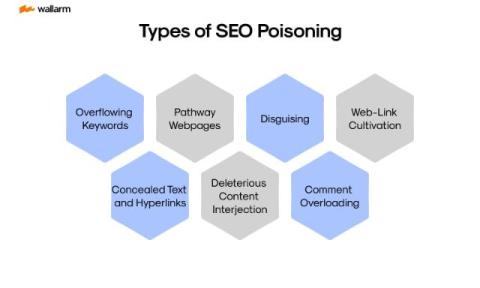
Search engines are the Internet’s gateway, reliably guiding us to the information we seek. However, cybercriminals are increasingly exploiting this trust by using sophisticated techniques to manipulate search engine results to drive traffic to malicious websites by getting them ranked higher than real sites. This practice, known as SEO poisoning, poses a significant threat to individuals and businesses. In a notable example, a 2022 campaign saw 15,000 sites hacked in a Google SEO poisoning attack.

How Can AI Be Used to Combat Phishing Attacks

Phishing is not going away—it’s morphing and evolving. As an example, in late 2022 the overnight commodification of artificial intelligence (AI) changed the phishing threat landscape forever, lowering the barrier to entry for novice fraudsters who had previously had the motives, but lacked the means to launch sophisticated scams. ChatGPT and fraud-specific Generative AI tools (like the aptly named FraudGPT and WormGPT) granted malefactors the ability to supercharge and scale their operations.

Memcyco Presents: The State of Digital Impersonation Fraud Resilience

Ever had those sleepless nights, tossing and turning, worrying about your next health checkup? Well, in the cyber world, it’s your brand that’s losing sleep! We recently talked to 200 top-notch security and fraud professionals—think of them as the cardiologists of the cybersecurity world. They spilled the beans on how digital impersonation attacks mess with their brand’s health.