Malicious Microsoft Office documents are a popular vehicle for malware distribution. Malware families such as Emotet, IcedID, and Dridex use Office documents as their primary distribution mechanism. Several recent Emotet attacks used a novel approach to sending email baits and hosted the malicious documents in cloud apps to increase their success.
Over five years ago, Adrian Bridgwater wrote a Forbes article pronouncing that “If Software Is Eating The World, Then Open Source Will Chew It Up (And Swallow).” That statement is just as true today. Open source components have become a basic building block for software developers, providing them with ready-made solutions from a vast community that help them keep up with today’s speedy and frequent release cycles.
“The more things change, the more they stay the same.“ In the recent Equinix breach in September 2020, 74 RDP servers were exposed to the Internet. Any publicly exposed ports are a risk but remote access protocols such as RDP have had their share of critical vulnerabilities (e.g., BlueKeep in 2019).
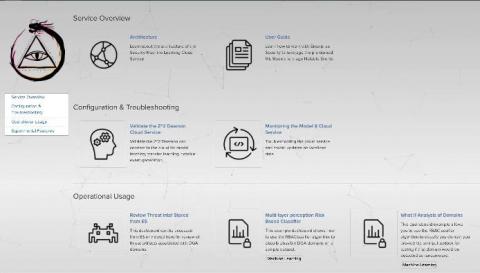
While working with customers over the years, I've noticed a pattern with questions they have around operationalizing machine learning: “How can I use Machine Learning (ML) for threat detection with my data?”, “What are the best practices around model re-training and updates?”, and “Am I going to need to hire a data scientist to support this workflow in my security operations center (SOC)?” Well, we are excited to announce that the SplunkWorks team launched a new add-
Most modern codebases are dependent on open source libraries. In fact, a recent research report sponsored by Veracode and conducted by Enterprise Strategy Group (ESG) found that more than 96 percent of organizations use open source libraries in their codebase. But – shockingly – less than half of these organizations have invested in specific security controls to scan for open source vulnerabilities.
It seems like every day there’s a new incident of customer data exposure. Credit card and bank account numbers; medical records; personally identifiable information (PII) such as address, phone number, or SSN— just about every aspect of social interaction has an informational counterpart, and the social access this information provides to third parties gives many people the feeling that their privacy has been severely violated when it’s exposed.
At this point in the pandemic, you’re probably tired of everyone referring to remote working as “the new normal.” Large companies like Facebook, Google, and Twitter have already announced that they will be working from home until the end of 2020 at the earliest, or as far out as August 2021. So, if these companies are any indication, we will all still be working from home for the foreseeable future.