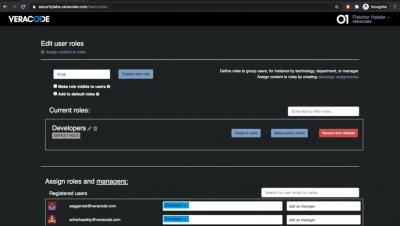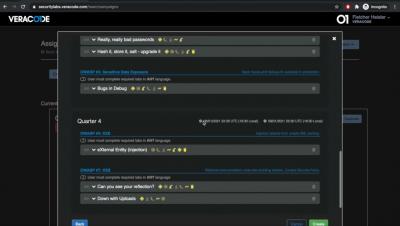
With a 43% rise in data breaches tied to web application vulnerabilities according to Verizon, enterprise security teams are looking more closely at how security controls can be integrated to DevOps without impacting productivity. But with so many automated security testing tools (SAST, DAST, SCA) on the market, it’s important to understand the difference and when to use them to ensure robust Application Security.
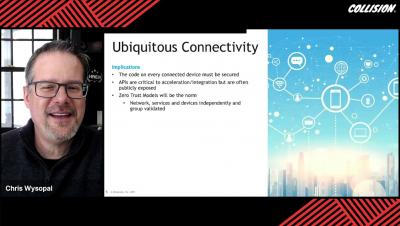
The network of interconnecting devices to exchange data popularly known as the Internet of Things is evolving rapidly in the fast-paced industry of technology. However, advancement in IoT has also taken a toll on security. IoT Systems strive to enhance productivity, efficiency, and flexibility but also invite uncalled risks to the network. IoT Security stands as the need of the hour for secure and holistic development.
Today, more than ever before, development organizations are focusing their efforts on reducing the amount of time it takes to develop and deliver software applications. While this increase in velocity provides significant benefits for the end users and the business, it does complicate the process for testing and verifying the function and security of a release.
To keep up with the pace of the modern world, organizations are constantly looking for ways to release software faster than their competitors. This “need for speed” has led many organizations to adopt DevSecOps. With DevSecOps, security is moved earlier in the software lifecycle, into the realm of developers. As a result of the changing development landscape, application security testing has also been evolving.
In this quick guide for cybersecurity professionals, we’ve invited some of our favourite security experts who have previously worked with Metasploit to explain why this tool is so valuable for conducting effective penetration tests and network reconnaissance tasks. Our first expert Michael Roninson, Security Expert at Cerber Tech gives a brief overview of this tool and how to use it in his response below;