Security | Threat Detection | Cyberattacks | DevSecOps | Compliance




Why is Dynamic Analysis an Important Part of Your AppSec Mix?
By now, most are familiar with the concept of DevSecOps. With DevSecOps, application security (AppSec) is moved to the beginning of the software development lifecycle (SDLC). By scanning earlier in the SDLC, you are able to find and fix flaws earlier. This can result in significant time and cost savings. Most organizations understand the importance of static analysis, which scans for flaws during development, but dynamic application security testing (DAST) is just as important.

Dynamic Application Security Testing: DAST Basics
Application security testing (AST), which are tools that automate the testing, analyzing, and reporting of security vulnerabilities, is an indispensable part of software development. In a modern DevOps framework where security is shifted left, AST should be thought of as compulsory. And this has never been more important when you consider that Forrester reports the most common external attack method continues to be application weaknesses and software vulnerabilities.
Configure the API Credentials File on Windows
Configure the API Credentials File on macOS and Linux

Tips for Unifying the Security Professional and Developer Roles
Configure Dynamic Analysis Login Settings
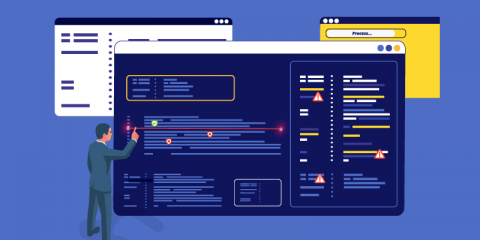
Interactive Application Security Testing: IAST Basics
Because applications and software vulnerabilities are the most common external point of attack, securing applications is a top priority for most organizations. An essential component for reducing this risk is application security testing (AST). In this blog, we focus on interactive application security testing (IAST), the relative newcomer in the AST market.
Quality Conundrum: Relying on QA Tools Alone Increases Risk
Quality assurance, or QA, is one of the go-to solutions for organizations looking to enhance their application security (AppSec). But alone, they don’t provide enough coverage and can give your team a false sense of security that comes back to haunt you during audits, or worse: after a breach. QA tools are only the tip of the iceberg when it comes to flagging and remediating flaws that leave your applications vulnerable to attacks.

How Outpost24 Secures the SDLC
At Outpost24, we’re committed to providing information security testing solutions to not only fit seamlessly into the SDLC, but also to enhance our customers’ experiences in implementing and maintaining their best practices to ensure their SDLC leads to a strong security posture and comprehensive resiliency around their full stack.