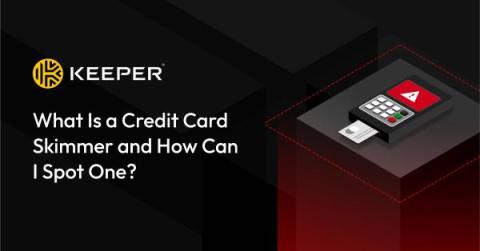

A credit card skimmer is a device that is attached to an actual card reader by a threat actor. Skimmers are commonly used by cybercriminals at non-bank ATMs and at gas station fuel pumps. Most skimmers installed at fuel pumps are placed outside of the view of the station administrator. Threat actors use skimmers to scan the information on a victim’s debit or credit card so they can commit credit card fraud or create counterfeit cards to sell on the dark web.
Read also: the US disrupts ALPHV/BlackCat operations, a NY engineer admits the hacks of two crypto exchanges, and more.
Tech scams are continuing to grow in scale and damage. According to CBS News, Americans have reported over $2.7 billion in losses to tech scams from social media alone. Further losses are being accrued through other sources, too, of course; but with that figure coming from one source, alone, the scale of the problem is laid out quite clearly. As more of the nation moves to a digital-first footing, these attacks are only likely to increase in volume, and scale, too.
Roughly 20 percent of all retail sales occur online. This statistic may sound lukewarm now, but e-commerce is rapidly becoming the lion’s share of global transactions. However, the model’s incredible growth also provides criminals ample opportunity to steal from online businesses. The absence of a physical location removes much of the criminal’s risk, and new strategies constantly pop up. A robust fraud prevention strategy should cover the majority of business operations.
Embezzlement is an internal crime that someone commits against their organization. The perpetrator's inside knowledge helps them avoid detection and clean up the evidence. It's a problem that can spiral out of control and cause massive damage to an organization's public face. Identifying the warning signs of embezzlement and acting quickly is essential to preventing the worst-case scenario.
Read also: TrickBot dev faces up to 35 years in prison, Platypus hackers walk free in France, and more.
You should place a fraud alert if you believe you are a victim of fraud or may become one, if you are a victim of identity theft or if you want to prevent your identity from being stolen. You don’t necessarily have to be a victim of fraud to place a fraud alert, you can also place a fraud alert as a security precaution. Continue reading to learn more about what a fraud alert is, how it differs from a credit freeze and how to place a fraud alert on your credit report.
Information security requirements and standards are in a constant state of evolution. Recent issues, such as COVID-19 and the growing global reliance on mobile devices and remote work solutions, have played important roles in this ongoing transformation. At the same time, the increasing sophistication of cyber attackers has added new layers of complexity to the cybersecurity landscape.
It’s natural to want to believe that every new account creation or online purchase signals the legitimate growth of your business. But the alarming rise in financial and data losses attributed to fraud, suggests a different reality. There are thousands of bad actors actively looking to nickel and dime businesses and consumers. In 2022, a staggering 2.4 million fraud reports flooded the Consumer Sentinel Record.