Security | Threat Detection | Cyberattacks | DevSecOps | Compliance

Leverage Veracode Static Application Security Testing (SAST) for Early and Effective Risk Management

Securing your applications is vital in today’s fast-moving world of software development. With threats constantly getting smarter, developers need strong tools to identify and fix weaknesses right from the start. Just ask Alex, a developer who once spent a sleepless night fixing a last-minute security flaw. That’s where Veracode SAST comes in. This powerful tool not only scans your source code and binary files but also integrates seamlessly with your IDEs, repositories, and CI/CD pipelines.


Why You Can't "SAST" Your Way Through AI Security #AppSec #LLMs #CloudSecurity #Cybersecurity

AI apps break the traditional rules of application security. Here’s why: AI is cloud-native from day one. That means you’ve got runtime risk before your app even launches. Static analysis (SAST) doesn’t cut it. You can’t predict risk from just looking at code. AI models are just vectors. You need new methods.

5 SAST Purchasing Tips That Actually Maximize ROI

Following these 5 tips when purchasing a SAST tool will save you headaches and regrets. A flashy demo or “industry-leading” badge doesn’t mean much if the tool doesn’t work for your code, your developers, or your workflow. This short video covers 5 things every AppSec or engineering team should consider before signing on the dotted line. Because choosing the wrong tool won’t just cost you budget, it’ll cost you trust.

Top Ten Tips to Choose a Great SAST Tool

Static application security testing (SAST) has matured from a gate-at-the-end to a developer-first discipline. Forrester’s Static Application Security Testing (SAST) 2025 landscape report highlights why: attack volume is rising, code is released at least monthly in one in four teams, and AI generated code is flooding pipelines with even more code to secure. The tools that succeed are those that shorten mean time to remediate (MTTR) while fitting the way modern teams build.

Dynamic Application Security Testing: DAST Basics

DAST is a security tool that attempts to penetrate an application from the outside by checking its exposed interfaces for vulnerabilities and flaws. Sometimes called a web application vulnerability scanner, it is a type of black-box security test. It looks for security vulnerabilities by simulating external attacks on an application while the application is running.

Snyk Ushers in the Future of DAST: AI-Driven Security for the Age of AI-Driven Development

I'm thrilled to announce Snyk API & Web, our next-generation dynamic application security testing (DAST) solution. It's more than just a product launch; it's Snyk’s answer to securing the complex, AI-powered applications developers are building today, deepening the integration of DAST into our comprehensive Developer Security Platform.

Memory safety bugs: an in-depth look at critical issues

Memory safety vulnerabilities remain among the most widespread and exploited security issues. They occur in C and C++ projects, which are widely used across embedded systems, including automotive, medical devices, and avionics. Read on to learn why they can happen and how to prevent them.

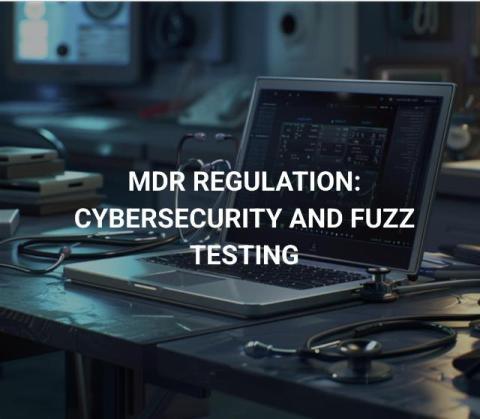
Medical Device Regulation (MDR): Why Cybersecurity And Fuzz Testing Are No Longer Optional

The MDR came into full effect in 2021, but many devices are still certified under MDD and will need to transition. As a result, Europe is facing a period of regulatory limbo. The MDR outlines what manufacturers must achieve but not how to do it, creating a gap between regulatory intent and practical implementation. To help bridge this gap, manufacturers rely on.