There’s no denying that SSH is the de facto tool for *nix server administration. It’s far from perfect, but it was designed with security in mind and there’s been a huge amount of tooling written over the years to make it easier to use. In addition, many popular products and just about every server deployment system integrates with SSH somehow.
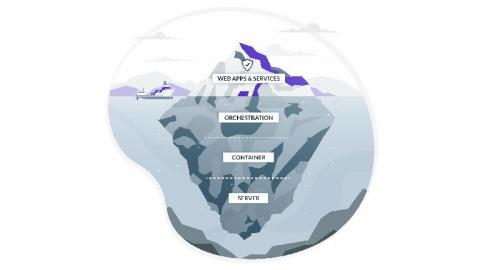
According to a recent Forrester report, the application security market will exceed $7 billion by 2023, with security scanning tools leading. Clearly, organizations increasingly understand that securing their application layer is important, and they are prepared to invest substantial resources in protecting it.
March 2020, the Coronavirus is pretty much everywhere. As I am writing these lines, the number of cases worldwide is 341,334 and 192 different countries have experienced infections.The world is fighting this epidemic and travel limitations are widely used in order to control the spread of the disease. While some say these restrictions are critical, others claim it to be ineffective and redundant. I am not an epidemiologist and will leave that analysis to the experts.
The Zero Trust approach to security is based not on where you are, but who you are. This model shifts the focus from network and perimeter-based security to identity-based access. In simple terms, this means: Zero Trust security provides a powerful approach to keeping an organization’s resources secure and usage auditable.
For the impatient, in this blog post, we’ll look into the problem of preparing a Kubernetes application to be deployed into a large number of Kubernetes clusters, even if you, the developer, do not have direct access to them all. The tutorial parts of this post will utilize Gravity 7.0, which you can download here. This version is in beta at the time of publication, so be sure to select pre-releases in the dropdown on the download page to access it.