Security | Threat Detection | Cyberattacks | DevSecOps | Compliance

3 Ways to Meet CMMC Self-Assessment Requirements

In November 2021, the U.S. Department of Defense significantly updated its Cybersecurity Maturity Model Certification (CMMC) framework to incorporate new cybersecurity requirements for DoD contractors. In particular, CMMC 2.0 Level 1 (Foundational) contractors must now perform annual self-assessments, and Level 2 (Advanced) contractors must perform annual self-assessments for selected programs.


How Egnyte Achieves MySQL High Availability

At Egnyte we store, analyze, organize, and secure billions of files and petabytes of data from millions of users. On average, we observe more than a million API requests per minute. These API requests are a mix of metadata operations and analytical queries. As we scale, we have to address challenges associated with balancing throughput for individual users and delivering an exceptional quality of service.

MSP Summit Highlights Growth Potential for Channel Partners

Cyber breaches are everywhere, people are working from anywhere, and data creation is exploding. As a result, businesses want solutions that make data collaboration and governance easier and more secure, and MSPs are at the forefront of this market opportunity. Those opportunities were on full display last week as more than 250 managed service providers, technologists, and Egnyte leaders met virtually—and in-person in London—for Egnyte’s annual MSP Summit.

Co-edit Microsoft 365 Files With Egnyte for Better Collaboration

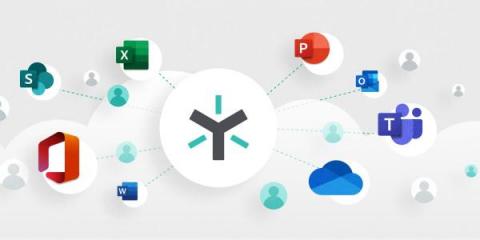
With Egnyte, you can now co-edit files in Microsoft Word, PowerPoint, and Excel—either online or via your desktop. And because these files are stored in Egnyte, you get additional security and governance capabilities so you can collaborate confidently, without having to worry about exposing sensitive data. This post explains how.

Classify Data by Sensitivity Levels for Better Governance

All organizations, including yours, have sensitive data. Whether it’s structured or unstructured, you need to protect that data to avoid disruption to your business. However, data sensitivity classification is not binary—it requires a more nuanced approach. Some information is more sensitive because it creates greater risk of harm to the organization or customers if it’s exposed.

6 Best Practices to Contain Cyber Insurance Price Increases

Cyber insurance premiums are growing exponentially. It’s a dilemma that puts new financial pressures on organizations that are eager to protect their digital assets, but wary of increased spending. ‍Part I of this cyber insurance blog series explored six reasons why cyber insurance costs are increasing so rapidly.

6 Reasons Cyber Insurance Prices Are on the Rise

What’s happening today in the cyber insurance market is comparable to what happens to property insurance in a region that experiences a major hurricane or devastating flood. Not only are your company’s premiums increasing; oftentimes, insurers are scrutinizing your overall risk preparedness as part of their renewal process. In the first part of this two-part series, we’ll examine why cybersecurity insurance premiums have skyrocketed.

6 Steps to Defend Against Advanced Persistent Threats

The cybersecurity community uses the term Advanced Persistent Threats to refer to threats that have extremely long persistence on a particular target—often lurking inside a target system for years. Their targets can include government agencies (at all levels), including contractors and suppliers far down the supply chain. Due to their passive nature, you may not even realize that your organization is a target for an APT. In fact, your infrastructure may already be infiltrated.