Security | Threat Detection | Cyberattacks | DevSecOps | Compliance

Using Metadata for Incident Response to Strengthen Your Security Strategy

Effective incident response is a top priority for organizations to minimize the impact of cyber threats. Quick detection and response to attacks or threats are crucial for securing the network and the organization’s overall cybersecurity posture. Incident response planning typically includes identifying, investigating, containing, eradicating, recovering, and analyzing the attack to prevent future breaches. The response times directly affect how swiftly and effectively a breach can be mitigated.

Mastering PCAP Analysis: Tips and Tools for Effective Network Insights

In the world of network security, understanding what’s traveling across your network is pivotal. One of the most effective tools for this task is PCAP analysis (Packet Capture analysis). Here at Fidelis Security, we’re dedicated to empowering you with knowledge and tools like our Network Detection and Response (NDR) solution to safeguard your network traffic. Let’s dive into how to master PCAP analysis.

Addressing Cloud Security Blind Spots for Better Protection

As businesses increasingly migrate to the cloud, securing these dynamic environments has become more challenging than ever. Traditional security measures struggle to keep pace with the evolving threat landscape, leaving organizations vulnerable to undetected cloud security risks. One of the biggest challenges in cloud security is the presence of blind spots—hidden cloud security vulnerabilities that attackers can exploit.

The Future of Cyber Defense: Smarter, Faster, Stronger

Not only are cyberthreats increasing, but they are also evolving at an unprecedented rate. To bypass traditional security measures, attackers are upskilling themselves and utilizing AI-driven techniques. As former Cisco CEO John Chambers aptly put it, “There are only two types of companies: those that have been hacked, and those that will be.” This fact highlights a critical issue: legacy cybersecurity strategies are finding it difficult to stay up with emerging threats.

Mitigating Insider Threats with Deception: A Game-Changing Security Approach for 2025

Along with other cyberthreats, insider threats are one of the biggest dangers affecting enterprises today. Disgruntled employees, accidental data leaks, or compromised insiders can all cause serious harm, involving monetary losses, operational interruptions, and damage to one’s reputation. According to the 2024 IBM Cost of a Data Breach Report 2024, insider-related incidents cost USD 4.99M on average.

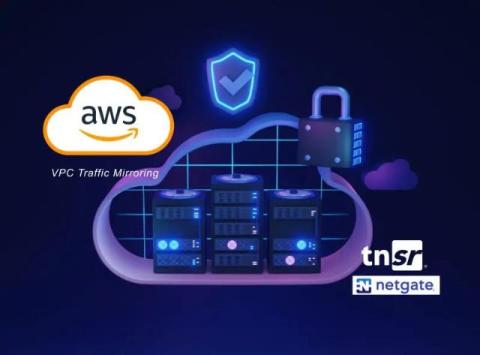
Fidelis Network for Amazon VPC Traffic Mirroring

Over the last decade, cloud computing has become the backbone of modern business, transforming how organizations operate and scale. Companies rely heavily on cloud services, with most of their applications and workloads migrating to efficient platforms like AWS due to the increased remote working requirements and demand for scalable, flexible, and cost-effective solutions that support business continuity and growth.

What to Look for in an NDR Solution: A Buyer's Guide to Cutting-Edge Features

As cyberattacks become more complex, network detection and response solutions have become essential for modern organizations. These are more than firewalls and antivirus software; instead, they make use of advanced analytics, machine learning, and behavioral modeling to detect and neutralize threats in real time.

Why Your Network Flow Analysis Fails (And How to Fix It)

A recent report reveals that 98% of businesses struggle with growing complexity in their cloud and on-premises infrastructures. This complexity creates major network flow analysis challenges. Organizations report widening visibility gaps in their networks 80% of the time. The network flow problems have become more critical than ever before. Gartner’s prediction shows that by 2027, 75% of employees will use technologies their IT teams cannot see.

Top 5 Strategies to Reduce Dwell Time with XDR: Accelerating Threat Detection and Response

Cyber adversaries operate with one goal in mind—stealth. The longer they go undetected in an environment, the more damage they can cause. Dwell time is the total amount of time that a threat remains unnoticed in a system, from initial compromise to discovery. According to the most recent threat reports, the average dwell time for undetected breaches has reduced but remains at 10-15 days, providing attackers enough time to exfiltrate data, launch ransomware, or establish persistent access.