Security | Threat Detection | Cyberattacks | DevSecOps | Compliance

NMAP Vulnerability Assessment Tutorial

Think your network is secure? Think again! Did you know that 88% of cybersecurity breaches are caused by human error or misconfiguration. Even more critically, if your business uses connected devices, over 50% of IoT devices have critical vulnerabilities that hackers can exploit right now, and one in three data breaches involves an IoT device. PCI DSS compliance demands regular vulnerability scanning (Requirement 11.2) – and that's exactly where a powerful tool like Nmap comes in!

IoT & PCI DSS : Addressing Security Risks

Over 50% of IoT devices have critical vulnerabilities hackers can exploit RIGHT NOW! 1 in 3 data breaches now involves an IoT device. If your IoT devices touch cardholder data, they're squarely in your PCI DSS scope – and a major security risk. Are you unknowingly exposing your payment systems to new cyber threats? We will have a glimpse at the critical intersection of IoT and PCI DSS, revealing how to secure your connected devices and protect sensitive cardholder data from evolving attacks.

PCI DSS Compliance for Small Businesses: A Step-by-Step Guide

Small Business Owners: Don't Let PCI DSS Crush You! (Your Step-by-Step Survival Guide!) Did you know a staggering 60% of small businesses can shutter within just SIX MONTHS after a data breach? And those PCI DSS fines? They can bleed you dry – ranging from $5,000 to a whopping $100,000 per month!

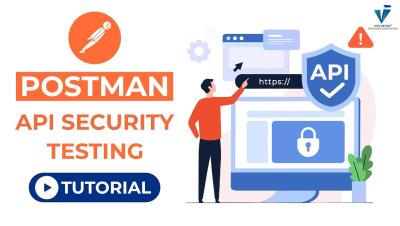
Postman API Security Testing Tutorial

According to a recent study by OWASP, 70% of all web applications are vulnerable to security risks. API security testing is one of the most effective ways to mitigate these risks. Postman is a popular tool for API security testing, with over 10 million users worldwide. In today's digital world, APIs are the backbone of most applications. As a result, they are also a prime target for hackers. This is why it's important to perform security testing on your APIs to ensure that they are not vulnerable to attack.