Security | Threat Detection | Cyberattacks | DevSecOps | Compliance

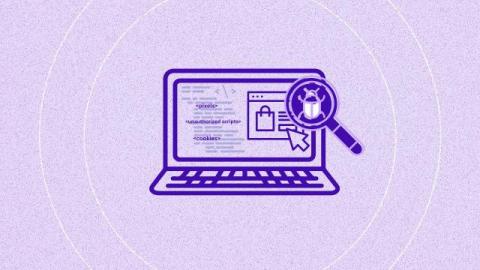
Can WAF prevent browser attacks that break PCI compliance?

The answer to whether WAF can see and prevent browser attacks that break PCI compliance depends on the lens you use. Through the lens of Requirement 6.4.2, the answer is mostly yes. But through the lens of 6.4.3 and 11.6.1, it gets a little blurry. Requirement 6.4.2 is about stopping web-based attacks at the application layer by inspecting outbound and inbound HTTP traffic at the server side.

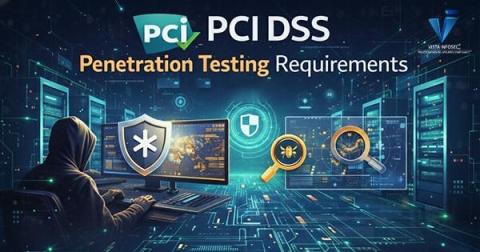
PCI DSS Penetration Testing Requirements Explained

Overall, PCI DSS 4.0.1 is a set of 12 requirements distributed over six goals as a security standard for credit cards and debit cards. Not having proper documentation, poor protocols, or insufficient penetration testing may be among the reasons as to why PCI DSS audits fail.

Why Content Security Policy Fails PCI 6.4.3 (And What QSAs Accept Instead)

Content Security Policy looks like it was designed for PCI Requirement 6.4.3. You define which domains can load scripts on your payment page, the browser enforces it, and unauthorized code gets blocked. For teams drowning in third-party JavaScript, CSP feels like the obvious answer. Then you get to your audit, and the QSA starts asking questions CSP can’t answer.

Enterprise PCI Compliance: The Cost of Getting It Right in 2026

PCI used to fit neatly into a budget. You’d build your cardholder data environment, lock it down, gather evidence, and once a year prove to an assessor that everything worked. Costs were predictable because the work was concentrated: audit cycle, remediation sprint, then relative quiet until next year. That model broke somewhere around 2018. Now your payment flow touches cloud accounts, shared services, SaaS vendors, front-end code, and operational teams deploying changes on their own schedules.

PCI 4.0.1 Compliance Tools Compared: Complete 2026 Buyer's Guide

Here’s a conversation that keeps happening: A compliance team passes their PCI audit in June. By September, they’ve had a card skimming incident traced to a third-party script nobody knew was running on their checkout page. Their tools didn’t catch it because none of them could actually see what was executing in the customer’s browser. That’s the gap PCI DSS 4.0.1 is forcing everyone to address.

How to Choose and Hire a QSA for Your PCI DSS Audit

You only really get to influence your PCI-DSS audit in two places: how you design your controls, and who you let judge them. QSA selection is the second one, and it’s usually underestimated relative to how much it shapes your next 3–5 years. Under PCI DSS 4.0.1, the assessor’s judgment matters more because several requirements move the discussion into client-side behavior. Scripts, page changes, and third-party components now factor into how compliance is validated.

How to Prove PCI DSS 6.4.3 & 11.6.1 Compliance to Your QSA (Evidence, Alerts, Audit Trail)

When organizations fail PCI audits, it is rarely because they lack documentation or controls. They fail because they cannot prove those controls operate reliably when a QSA evaluates them. Requirements 6.4.3 and 11.6.1 expect evidence that reflects the page as the browser renders it. QSAs look for evidence that shows the controls running on the actual rendered page during the assessment period. This expectation is clear in the standard, and it is the point where many teams struggle.

How to Automate Payment Page Script Audits for PCI DSS: 6 Hours to 6 Minutes

Most teams spend more than 40 hours a week just keeping their payment page script inventories updated. And that’s meticulous work as they have to load the page, watch what scripts fire, map domains, and compare it all to the last version, just to ensure the changes are documented before the details go stale. Also check out How to Maintain PCI Compliance Across Hundreds of Payment Pages But for organizations with 50 to more than 200 payment pages, it goes even further.