The privilege escalation category inside MITRE ATT&CK covers quite a few techniques an adversary can use to escalate privileges inside a system. Familiarizing yourself with these techniques will help secure your infrastructure. MITRE ATT&CK is a comprehensive knowledge base that analyzes all of the tactics, techniques, and procedures (TTPs) that advanced threat actors could possibly use in their attacks.
Microsoft's ASP.NET Core enables users to more easily configure and secure their applications, building on the lessons learned from the original ASP.NET. The framework encourages best practices to prevent SQL injection flaws and cross-site scripting (XSS) in Razor views by default, provides a robust authentication and authorization solution, a Data Protection API that offers simplicity of configuration, and sensible defaults for session management.
Table of Contents:
00:22 - Activeboards Overview
01:12 - View vs edit mode
01:34 - Creating an Activeboard
01:47 - Adding content
02:36 - Modifying the data
03:19 - Sharing your Activeboard
Have you ever noticed how closely your role as the CISO of your organisation resembles that of the Wizard from “The Wizard of Oz?” As the Wizard, you are expected to be all-knowing, all-seeing and all-powerful. Your role is to keep everyone safe from the evils of the world while frantically pulling levers, pressing buttons and turning dials behind the curtain.
The Egnyte platform has been extended to support the classification of documents per business document type. It enables the Egnyte governance solution to assign documents to business document types, including invoices, contracts, NDAs, or financial statements. From a machine learning / AI perspective, it’s a natural language processing (NLP) problem—a classification task. The input is the raw text form of the document, and the output is the name of the class to which it belongs.
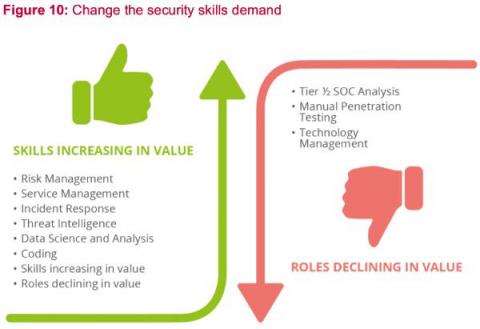
Hey there, The European Union Agency for Cybersecurity (ENISA) has recently published its NIS Investment report - a survey conducted on European organisations identified as Operator of Essentials Services (OES) and Digital Service Providers (DSP).
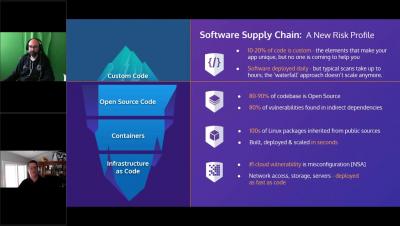
The modern technology landscape is ever-changing, with an increasing focus on methodologies and practices. Recently we’re seeing a clash between two of the newer and most popular players: DevOps vs DevSecOps. With new methodologies come new mindsets, approaches, and a change in how organizations run. What’s key for you to know, however, is, are they different? If so, how are they different? And, perhaps most importantly, what does this mean for you and your development team?