When the COVID-19 pandemic descended on the U.S., companies took a no-holds-barred approach to maintain their operations. Employees up and down organizational structures were told to work from home, and IT teams were tasked with making that happen. The timeline was short, and approval processes moved quickly, which meant changes to network access and security were made more quickly, and in some cases more haphazardly, than in a “normal” situation.
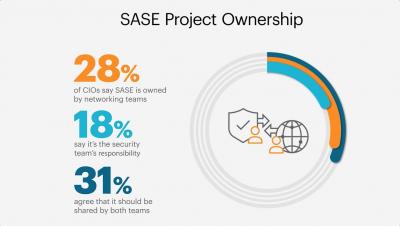
Back in the early days of networking, many companies assigned all of the responsibilities to anyone who showed any aptitude towards operating a computer. In many companies, this was an accountant or someone else who also managed sensitive financial information. The assumption was that the person managing the corporate books was the most trustworthy person in the organization.
This is a story of an emperor who wanted to protect people and grow his empire. Once he had to face the biggest battle. He conquered the battle through back door intelligence of the enemy. With a risk-based approach he was able to predict the actions of the enemy. This made him invincible. In today’s world, CISO organization faces the same battle but against the cyber war and are therefore are under constant pressure to protect organization.
The recent flurry of supply chain attacks has left a trail of carnage spanning across the globe Because supply chain attacks compromise a higher number of victims with less effort, cybercriminals are unlikely to forgo this efficient attack method without a fight.
Our current global landscape is testing resiliency. As organizations continue to shift to a remote work business model, the rush to digitally transform has created new and heightened cyber risk concerns. Protecting these digital connections needs to stay top of mind for leaders looking to help their organizations adapt to these changes while continuing to innovate. In this blog, we will look to set the cyberscene and focus on a security first mindset.