Security | Threat Detection | Cyberattacks | DevSecOps | Compliance

What I Did To Secure My Accounts After the Ticketmaster Breach

On May 20, 2024, Ticketmaster parent company Live Nation Entertainment launched an investigation after detecting unauthorized activity within a database containing company data. A week later, they were contacted by someone who threatened to sell their user data on the dark web. I, like many other Ticketmaster customers, became worried about my data, so I took immediate steps to protect myself. Here is what I did.

Public Sector Breach Alert: Q2 2024

The public sector continues to be a target for cybercriminals as ransomware attacks and data breaches hit government organizations at all levels, incurring large financial costs and operational disruptions. The public sector is especially vulnerable to cyber attacks for a variety of reasons, including legacy systems, lack of resources, large amounts of sensitive data and the fact that it manages essential services.

Random but Memorable - Episode 13.0: Lift As You Climb with Adamaka Ajaelo from Self-eSTEM

How can we foster diversity and champion inclusivity in the cybersecurity industry? And how do we support and encourage more BIPOC women and girls to get into tech? Our final episode of the season invites Self-eSTEM founder, Adamaka Ajaelo, to have this important and inspiring conversation with 1Password Founder Sara Teare. We also dissect what looks to be turning into one of the largest data breaches ever, in Watchtower Weekly. Plus, we go out with a bang in our final game of Security Blank.

Passkeys vs Two-Factor Authentication (2FA): What's the Difference?

The main difference between passkeys and 2FA is that passkeys completely remove the need for individuals to enter a password, whereas 2FA enhances the security of an account by requiring an additional method of authentication in addition to a traditional username and password. Continue reading to learn more about the differences and similarities between passkeys and 2FA, and which is more secure.

Six Cybersecurity Insurance Requirements and How To Meet Them

To qualify for cybersecurity insurance, organizations must implement strong access controls, have an incident response plan, use Multi-Factor Authentication (MFA), provide employees with security training, regularly perform penetration tests and use encryption to protect sensitive data. Continue reading to learn more about the six cyber insurance requirements and how your organization can meet them.

Keeper 101 | Enterprise - Keeper Connection Manager With Remote Browser Isolation On-premise

Keeper Connection Manager, is a Zero-Knowledge and Zero-Trust platform that provides instant, secure and effortless access to your infrastructure and desktops from any device. Keeper Connection Manager is an agentless remote desktop gateway that can be installed in any on-premise or cloud environment. Keeper Connection Manager was built by the original creators of Apache Guacamole, a widely used open source remote access gateway with millions of installs. Guacamole's proven technology and active development community provides customers with a high level of trust.

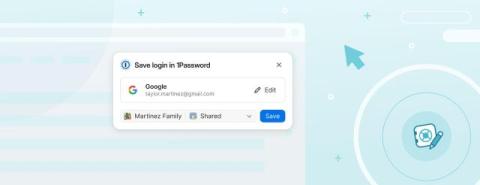
Are Google-Generated Passwords Safe?

Google’s auto-generated passwords aren’t typically the most secure as the character limit is 15. Having a limit of 15 characters prevents a user from creating longer passwords. The longer a password is, the harder it is for cybercriminals to crack. Continue reading to learn more about Google-generated passwords and why they are not the most secure option for your digital security.