Security | Threat Detection | Cyberattacks | DevSecOps | Compliance

What is a Dark Web Alert?

A dark web alert is a notification you receive when your personal information, such as your passwords, have been found on the dark web. Without a dark web alert, you won’t know when your personal information is posted on the dark web which is a threat to your identity and online security. Continue reading to learn more about dark web alerts, and how you can begin to receive these alerts and take action.

Optimising PAM for Cost Savings and Stronger Security

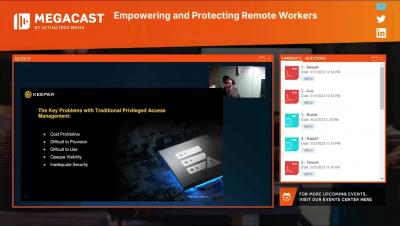
It's imperative for organisations around the globe to properly secure their privileged credentials, accounts and sessions to protect their digital crown jewels from unauthorised breaches, yet traditional Privileged Access Management (PAM) solutions are failing enterprises. These solutions are proving too costly in many cases - and so complex in others - that many organisations are opting to shelve or never fully deploy their PAM products, saying they're wasting money on features they don't even use.

Is it Safe to Store Credit Card Information Online?

No, it is not safe to store your credit card information online, including on merchant websites or web browsers. The only way to ensure your credit card information is stored safely is if you keep it in an encrypted vault. Read on to learn more about the risks of storing your credit card information online and how you can secure your credit cards moving forward.

Hello CISO - Episode 10: The CISO Regulation Minefield

You can’t undertake every compliance initiative under the sun, so how do you prioritize? Talk to the right people, understand the ripple effects of each initiative, and know which will harm and which will strengthen security. Hello CISO is a collaboration between Troy Hunt and the people who build the world's most trusted enterprise password manager.

Human Error Results in Leaked SF-86 Forms

The United States Department of Defense (DoD) discovered in February that one of its servers had been sharing U.S. military emails openly on the internet for over two weeks without anyone noticing. This vulnerability affected U.S. Special Operations Command and other DoD customers. Shockingly, plain-text email conversations were exposed and accessible to anyone who knew the IP address of the unsecured server.