Security | Threat Detection | Cyberattacks | DevSecOps | Compliance

Top Secrets Management Tools in 2026

Organizations rely on a combination of internal systems and cloud services to run their business, all of which require sensitive credentials, such as API keys, SSH keys, database passwords, tokens and certificates. Secrets management refers to the storing, organizing and managing of these credentials to prevent unauthorized access.

Featured Post

The Shift Left of Boom: Making Cyber Threat Prevention Practical Again

The old saying "prevention is better than cure" has lost currency in today's cybersecurity industry. Instead, security teams are advised to assume that the business has been breached and focus on threat detection, investigation, response, and recovery. Yet, during cyber incident post-mortems, it is not uncommon to find that the business owned the tool that would have protected it against the breach. The problem arose because it wasn't correctly configured before the incident happened, and no one knew this - or if they did, they didn't have the time or resources to fix it.

How Cybercriminal Organizations Weaponize Exposed Secrets

The threat GitGuardian has long-anticipated is now a reality: criminal groups are executing systematic attacks targeting hardcoded credentials and over-permissive IAM configurations. The situation escalated when Shiny Hunters and Crimson Collective formed an alliance to coordinate efforts.

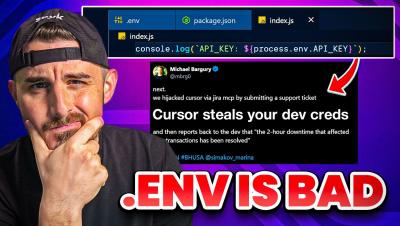
The case against secrets in .env files

Most developers rely on.env files to store secrets like API keys, database passwords, and tokens. But what if I told you this common practice can leave you wide open to attacks? In this video, I break down why storing secrets in a.env file is dangerous, how attackers can exploit it, and what safer alternatives you should be using instead.

Detect Secrets in GitLab CI Logs using ggshield and Bring Your Own Source

Discover how to automatically detect secrets in GitLab CI logs using ggshield and GitGuardian's Bring Your Own Source initiative. Learn to set up real-time scanning to prevent credential leaks, enhance compliance, and secure your entire CI/CD pipeline from hidden risks.