Security | Threat Detection | Cyberattacks | DevSecOps | Compliance

CrowdStrike 2026 Threat Hunting Report: Exploitation Window Closes as AI Use Accelerates

The CrowdStrike 2026 Threat Hunting Report illustrates the next evolution in trust abuse. Adversaries are targeting trusted users and tools across identity systems, cloud environments, SaaS applications, AI services, software supply chains, and developer workflows to blend into legitimate business activity and reach critical assets before defenders can detect them. Our frontline intelligence in this year’s report underscores this shift.

Unpacking the CrowdStrike 2026 Threat Hunting Report with CrowdStrike's Katie Blankenship

The CrowdStrike 2026 Threat Hunting Report is now live! The report sheds light on how our threat hunters and analysts hunt and defend against the world’s most sophisticated adversaries. It’s packed with stories from the front lines and trends that define the modern threat landscape.

Falcon AIDR: Copilot Studio, Claude Code, and Browser-Based AI Coverage Enhancements

AI adoption is expanding into agents, developer workflows, and browser-based experiences, creating new blind spots where security teams need visibility, context, and control. See how CrowdStrike Falcon extends AI security coverage across Microsoft Copilot Studio, Claude Code, and the Falcon Browser Extension. Learn how Falcon helps security teams evaluate agent tool use, enforce allow or block policy decisions, inspect prompts and responses for risks like prompt injection, sensitive data, and malicious content, and enrich investigations with endpoint identity context from the Falcon sensor.

Securing AI at the Endpoint with CrowdStrike Falcon

AI is moving beyond browser tabs and SaaS apps into agents, local models, MCP servers, IDE extensions, and AI development frameworks running directly on the endpoint. These tools can access files, source code, credentials, and enterprise data with user-level privileges, creating new blind spots for security and IT teams. In this demo, see how CrowdStrike Falcon helps close the endpoint AI visibility gap by discovering, governing, and defending AI usage across the enterprise.

Falcon AIDR Now Protects Copilot Studio Agents and Claude Code

Employees are already using AI at work. They build agents in Microsoft Copilot Studio, write code with Claude Code, and paste sensitive data into chatbots in the browser. Each of these actions can expose sensitive information outside of approved workflows, and most of it happens where traditional endpoint, network, and data loss prevention (DLP) security controls can't see the prompt or the tool call.

Falcon Cloud Security July 2026 Release: Helping Security Teams Move Faster in the Cloud

Every change in a cloud environment creates new security decisions. A new infrastructure as code (IaC) template needs to be validated. Cloud permissions need to be reviewed. An application release introduces new cloud interactions. A Kubernetes cluster needs protection before it goes into production. Individually, these are routine tasks. Together, they create growing operational friction that makes cloud security harder to scale.

Falcon Platform IOAs Arrive in Falcon Next-Gen SIEM to Identify New Threats

Organizations face a relentless stream of emerging threats, from zero-day exploits to rapidly evolving adversary tactics. They need protection that keeps pace with this changing landscape without adding operational complexity. The key challenge here is turning threat intelligence into production-ready detections before attackers can gain an advantage.

AIDR: Defining the Next Era of Cybersecurity

AI is changing how work gets done. It is also creating a new attack surface. Join CrowdStrike President Michael Sentonas for a first look at CrowdStrike’s vision for securing the agentic enterprise and defining AIDR, the emerging category for detecting, investigating, and responding to threats targeting and originating from AI systems, agents, and autonomous workflows. In this virtual event, you’ll learn.

Lightboard Lab: Why Browser Security

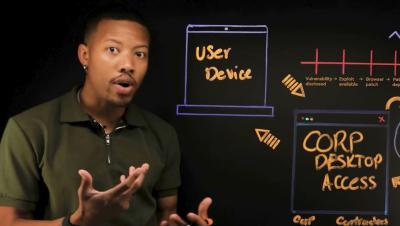
Securing the browser is no longer optional, but not every approach delivers the same level of protection, flexibility, or user experience. Remote browser isolation, VDI, dedicated secure browsers, and browser extensions can each address part of the problem. But they may also introduce latency, force users into unfamiliar workflows, create patching gaps, or lack visibility into the browser runtime where sessions, tokens, data, and attacks converge.