Shift to a proactive posture and automate outcomes. Explore how our new Risk Automations connects UpGuard to your existing security stack to resolve threats across your ecosystem in real-time.
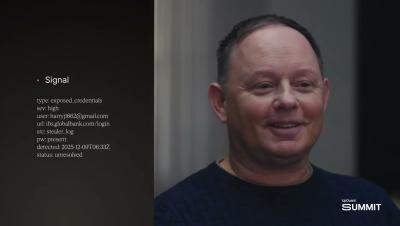
Modern threats move faster than humans can process. Join UpGuard CISO Phil Ross to discover how to replace manual bottlenecks with a machine-speed operating system for risk that orchestrates vendor, human, and attack surface defenses into one unified strategy.
There’s no way to stop the clock in cybersecurity for InfoSec teams, but you can find ways to manufacture a better way to spend their time. Tiering does just that, prioritizing your team’s most finite resource. But to start, you need better data, and most importantly, better logic to redefine how you work.
Most organizations need both a cyber-focused TPRM platform and a compliance-focused TPRM platform, but it can be difficult to see where one tool ends and the other begins. If you're currently evaluating TPRM platforms, this guide clarifies the differences between the two.
Eliminate the manual hand-off between business units and security. Learn how our new portal automates the entire onboarding workflow, aligning vendor requests with security reviews from day one.
Modern threats move faster than humans can process. Join UpGuard CISO Phil Ross to discover how to replace manual bottlenecks with a machine-speed operating system for risk that orchestrates vendor, human, and attack surface defenses into one unified strategy. Interested in finding out more about UpGuard?
Jess Hooper, Vice President, Product Get first look at the next frontier of Cyber Risk Posture Management. From AI-agent orchestration to the next generation of our vendor system of record, see how we’re building the future of automated defense.
Cybersecurity doesn’t really have quiet days. Usually, it’s just long stretches of constant noise before realizing you’ve been blindsided. That blindside is a flat list of unprioritized vendors. Without a way to filter what matters when a team needs to mitigate the fallout of a crisis, a vendor inventory like this becomes a compliance-only activity that offers a false sense of security.
The thing about blanket approaches is that they rarely work or scale. The same holds true for third-party cyber risk management. Treating every provider, stakeholder, or partner with the same intensity is neither productive nor cost-effective. While defaulting to treating every vendor at the same risk level is common, it is not a resilient security strategy.
Humans have always sought to streamline productivity through the most convenient solutions available, prioritizing speed to stay ahead and gain an edge over the competition. From the assembly line to the cloud, the goal remains the same: do more with less friction. Today, that convenience is synonymous with AI. While these tools have revolutionized how we work, the reality remains that rapid innovation always comes with a hidden cost.