While many organizations are patching the two recent Apache Log4j vulnerabilities (CVE-2021-44228 and CVE-2021-45046), attackers have been racing to exploit them to deliver malware, such as botnets, backdoors, and cryptominers. Among the threats delivered using Log4Shell exploits, a new ransomware family was found by Bitdefender: Khonsari.
The Apache Log4j vulnerability has been assigned the most critical cyber threat rating of CVSS 10. For a concise overview of the zero-day, and to learn how to secure your systems against its exploitation, all of the popular FAQs concerning this vulnerability have been conveniently compiled in this post.
An Advanced Persistent Threat (APT) is a cyberattack campaign where a threat actor establishes a long-term presence inside a breached network to continuously steal sensitive data. In order to evade detection throughout the entire APT attack life cycle (which could last for many years), these cyber threats must always exceed the evolving sophistication of common security controls. The advanced attack methods of APT groups makes this cyber threat significantly more difficult to intercept.
Cloud Security Posture Management (CSPM) is a category of cybersecurity tools that enhance cloud data security. CSPM is a relatively new concept, emerging from the ongoing rise of organizations moving their legacy workflows to the cloud.
Is it just me or is the announcement of a significant CVE becoming a holiday tradition? Discovered on December 9, 2021 by Minecraft players, the Apache Log4Shell vulnerability is a uniquely insidious because it infects servers which are traditionally well insulated from attacks and perceived as unreachable by an intruder and not at risk for CVEs. Log4Shell is an entirely different can of works that proves this assumption wrong.
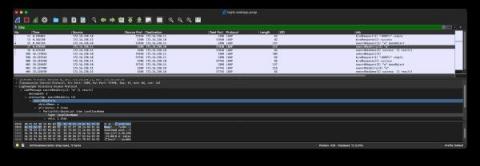
We recently discussed some methods for detecting the Log4j exploit, and we’ve now developed another method that everyone running Zeek® or a Corelight sensor can use. Our new approach is based on the rarity of legitimate downloads of Java via LDAP. Zeek does not currently have a native LDAP protocol analyzer (though one is available if you are running Spicy). This will not stop you from detecting this exploit downloading Java over LDAP, though. To see how, read on.