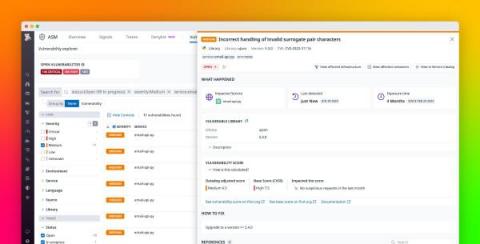
A staggering 96% of organizations utilize open-source libraries, yet fewer than 50% actively manage the security vulnerabilities within these libraries. Vulnerabilities are welcome mats for breaches from bad actors, and once they've entered your system, the impact can be colossal. A software bill of materials (SBOM) is an important tool for managing the security of open-source software.
In a significant stride towards strengthening cybersecurity practices and protecting the nation’s digital future, the White House has issued a formal National Cybersecurity Implementation Plan, and named the 5 pillars that it believes are critical to successfully implementing its cybersecurity strategy.
Software today relies heavily on open source, third-party components, but these reusable dependencies sometimes inadvertently introduce security vulnerabilities into the code of developers who use them. Some of the most serious vulnerabilities discovered in recent years—like the OpenSSL punycode vulnerability, Log4Shell (Log4j), and Dirty Pipe (Linux)—reside in popular open source packages, making them so widespread that they could compromise almost the entire software ecosystem.
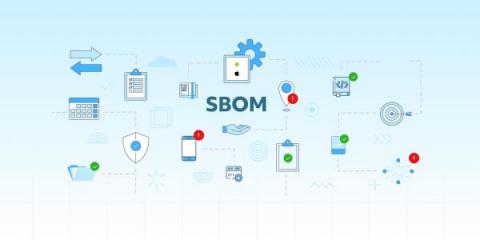
As software systems become more intricate and the use of third-party components increases, the security risks within the software supply chain also escalate. To combat these risks, organizations are turning to the Software Bill of Materials (SBOM) as a valuable tool. This blog will guide you through the concept of SBOM and its impact on software supply chain security.
A Software Bill of Materials (SBOM) is a key cyber defense item — it identifies what’s in your software, applications, and code base so that you can detect and mitigate risk more effectively. This is useful when it comes to application security because companies can only detect and fix vulnerabilities if they know what’s there in the first place. SBOMs give you that visibility. Consequently, SBOMs are now a “must-have” tool for most companies.
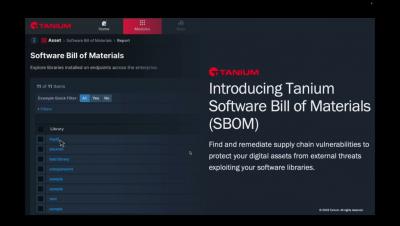
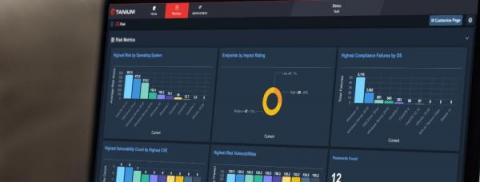
Our most recent product and feature release further secures software supply chains, extends Tanium’s single view of endpoint data to additional ARM-powered devices, and expands the capabilities of our Risk & Compliance solution.
A software bill of materials (SBOM) is a comprehensive, structured inventory of all components, libraries, and dependencies used within a software product or application. It typically includes information about the names, versions, and licensing details of each component.