Security | Threat Detection | Cyberattacks | DevSecOps | Compliance

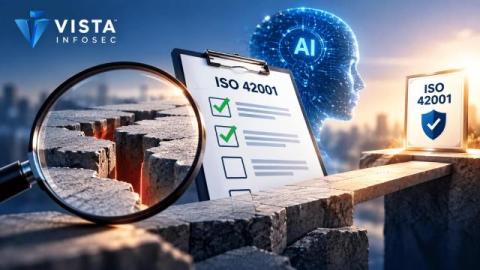
ISO 42001 Gap Analysis: What to Check Before Starting Certification

An ISO 42001 gap analysis compares how you govern AI today with what ISO/IEC 42001:2023 requires. Do it before you commit to audit dates. You’ll learn what’s missing, what you can’t yet prove and what to fix first. Quick answer What it is: a structured review of your AI management system (AIMS) against ISO/IEC 42001:2023 clauses 4–10 and the applicable Annex A controls. Is it mandatory? No. The standard requires an internal audit and management review, not a gap analysis.
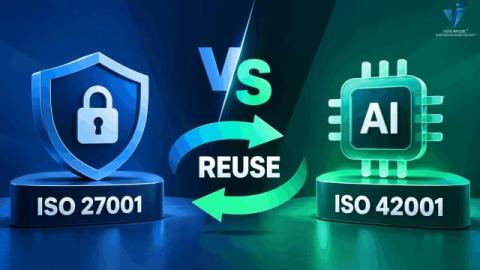
ISO 42001 vs ISO 27001: What Can You Reuse for AI Management?

If your organization already operates a mature ISO/IEC 27001 Information Security Management System (ISMS), you are not starting ISO/IEC 42001 from zero. Governance routines, document control, competence management, internal audit, management review, corrective action and parts of your risk and supplier processes may provide a useful foundation. But ISO/IEC 42001 is not an AI extension to ISO/IEC 27001.

ISO 42001 Readiness Checklist: 15 Questions to Ask Before Certification

Getting an AI policy approved is not the same as being ready for ISO/IEC 42001 certification. Your organization may already have risk registers, information security controls, model documentation, supplier assessments and responsible AI principles. The more important question is whether these elements operate together as an Artificial Intelligence Management System (AIMS) — and whether you can demonstrate that with evidence. Before asking: “How quickly can we get ISO 42001 certified?”

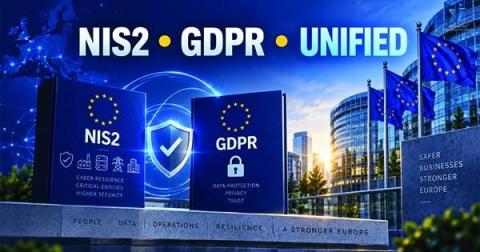
NIS2 and GDPR Compliance: How European Companies Can Reduce Duplicate Compliance Efforts

NIS2 and GDPR cannot be merged into one legal obligation, but much of the compliance work behind them can be consolidated. Organisations can use one control framework, shared asset and risk information, common supplier assessments and a single incident record while maintaining separate legal registers and notification workflows. The key is to consolidate evidence and operational processes — not the obligations themselves.

CRA Compliance Gap Assessment: How to Identify Your Compliance Gaps

A CRA compliance gap assessment compares what your organization does with what Regulation (EU) 2024/2847 requires. It reviews each product and each role. It then produces a prioritized list of shortfalls. The list includes named owners, evidence pointers, and dates. It is not a conformity assessment. A conformity assessment decides whether a product may carry the CE marking. A gap assessment tells you whether you would survive one.

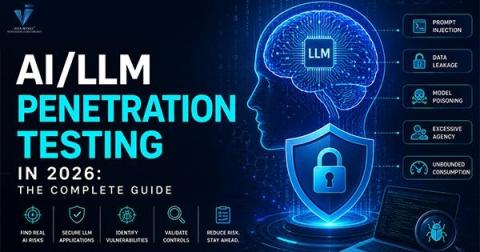
AI/LLM Penetration Testing in 2026: The Complete Guide

Most organisations now run at least one LLM in production, and a growing number run agents that call tools and act without a human in the loop. The security testing those systems receive was designed for deterministic software. AI applications fail differently. The payload is natural language, the same input can be safe nine times and unsafe on the tenth, and the malicious instruction often arrives inside a document or tool description rather than from the user.

Cyber Resilience Act Compliance Checklist: 15 Steps to Prepare Before 2027

The EU Cyber Resilience Act makes cybersecurity a condition of market access. A product with digital elements sold in the EU must demonstrate security by design, secure defaults and working vulnerability management — or it does not get a CE mark. This Cyber Resilience Act compliance checklist turns Regulation (EU) 2024/2847 into 15 steps, in execution order.

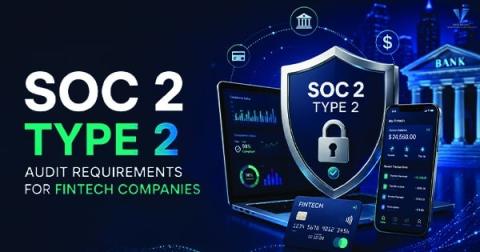
SOC 2 Type 2 Audit Requirements for Fintech Companies: The Complete Checklist

For fintech companies that move money, store account data, or connect to banking rails, trust must be documented. It cannot just be promised. A SOC 2 Type 2 report is the primary way financial platforms prove their security controls actually work. Demonstrating real fintech security and compliance unlocks enterprise partnerships, closes larger deals, and satisfies vendor security reviews. Banks and payment networks require these reviews before they integrate with you. Free Consultation.

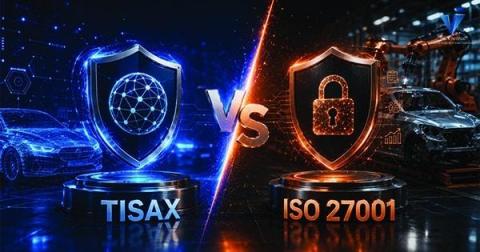
TISAX vs ISO 27001: What German Automotive Suppliers Need to Know

TISAX and ISO 27001 are related but not interchangeable. ISO 27001 is a general-purpose information security certification accepted across any industry; TISAX is the automotive industry’s mandatory, shared assessment framework, built on ISO 27001’s structure but adding prototype protection and data protection requirements that OEMs specifically demand. Most automotive suppliers need TISAX, and an existing ISO 27001 program is the fastest route to get there.

The 5 Biggest DORA Compliance Mistakes Financial Institutions Make

Are these common DORA compliance mistakes putting your financial organization at risk? The Digital Operational Resilience Act (DORA) requires financial entities to take a structured approach to ICT risk management and digital operational resilience. But organizations can still encounter gaps when translating regulatory requirements into day-to-day controls.