Security | Threat Detection | Cyberattacks | DevSecOps | Compliance

Web Shell Upload Via Extension Blacklist Bypass - Part 1

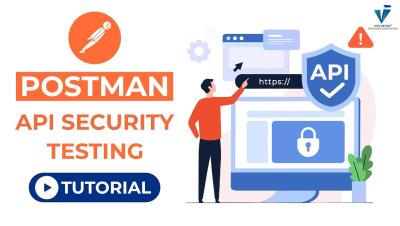
We delve into an in-depth exploration of a common web security vulnerability related to file uploads and it demonstrates how attackers can exploit weaknesses in file extension blacklists to upload malicious web shells. We also cover the mechanics of bypassing these security measures, including specific techniques and tools used to see practical examples of how to conduct such an attack in a controlled environment, emphasizing the importance of understanding these vulnerabilities for defensive programming.

[PCI DSS Requirement 9] : Summary of Changes from Version 3.2.1 to 4.0 Explained

Are you curious about the updates in PCI DSS Requirement 9 as we transition from Version 3.2.1 to 4.0? Requirement 9 focuses on physical security, a cornerstone of safeguarding cardholder data. With PCI DSS 4.0, new best practices, enhanced clarity, and updated guidelines have been introduced to address emerging threats and challenges. Whether you're an IT professional, QSA, or just starting your PCI DSS compliance journey, this video is packed with insights to help you stay ahead.

PCI DSS Compliance for SaaS Businesses

PCI DSS is a set of requirements that is applied to every small and large organization that accepts, stores, processes, or transmits cardholder data. In particular, PCI DSS for SaaS companies is essential, as these platforms frequently handle sensitive customer information and must adhere to the latest security standards. In 2024, the updated version of PCI DSS 3.2.1, PCI DSS v4.0, became mandatory after being officially released on March 31, 2022, allowing organizations a transition period.

DORA Compliance Checklist: Essential Steps for Successful Implementation

DORA is an EU-based regulation that is going to be effective from January 17, 2025. It is a digital security framework that works alongside the General Data Protection Regulation (GDPR) to provide strong security protection to financial entities and ICT service providers from cybercrimes. Generally, every financial entity and ICT service provider inside or outside the EU that does business with the EU entities has to comply with DORA.

What is SOC 2?

Wondering what SOC 2 is and why it’s important? In this short video, we break down the essentials of SOC 2 compliance and how it helps businesses protect customer data. SOC 2 (Service Organization Control 2) is a set of standards focused on data security, privacy, and integrity, designed for companies handling sensitive customer information. If your business provides tech, cloud services, or manages data for clients, SOC 2 compliance can help you establish trust and meet today’s high security expectations.

SOX Compliance Audit Preparation And [Checklist]

SOX Compliance can be quite overwhelming for those looking to achieve compliance. Organizations need to prepare well for the audit in order to ensure they meet all the requirements and achieve compliance. So, here is an opportunity for organizations like you to learn about the critical aspects of SOX Audit and ensure a hassle-free SOX Compliance Journey.

Securing Payment Card Data with Emerging Technologies

In today’s digital world, securing payment card data is more critical than ever. In this video, we explore how emerging technologies are transforming payment security and helping businesses protect sensitive information. Here’s what we cover: Stay ahead of the curve with these insights into securing payment card data and ensuring your business stays protected. Don’t forget to like, subscribe, and hit the notification bell for more insights on compliance and security!

Understanding the Dora Compliance: A Comprehensive Guide

Technology is always brimming with advancements, and it is more prominent in the financial sector. As financial institutions increasingly rely on digital infrastructure to enhance operations, customer experience, and security, they also face growing challenges in mitigating the risks that come with it, such as cyber threats, system failures, and other operational vulnerabilities.