Security | Threat Detection | Cyberattacks | DevSecOps | Compliance

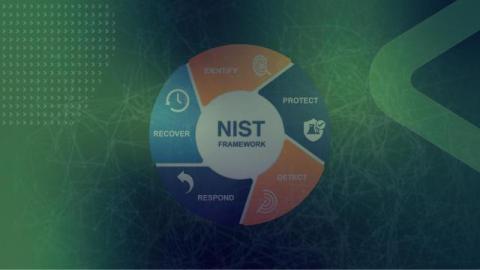
NIST CSF 2.0: What you need to know by Jason Taylor

Join Jeson Taylor, Senior Cybersecurity Program Analyst, as he breaks down the key updates in NIST CSF 2.0 in this informative webinar. Gain valuable insights into what’s changed from NIST CSF 1.1 to 2.0, and what organizations need to know to stay aligned with the latest cybersecurity framework. This is the recording of our live webinar—perfect for anyone looking to understand the evolution of NIST CSF and how it impacts security programs moving forward.

Internal Cybersecurity Risks in Organizations

When most people think of cybersecurity threats, they picture outside attackers trying to breach the network. But often, the biggest risks are already inside. Whether it’s human error, shadow IT, or poor policy enforcement, internal vulnerabilities can be just as damaging. In this blog, we’ll explore five commonly overlooked cybersecurity risks within organizations and how you can proactively address them.

A Complete Guide to Endpoint Detection and Response (EDR)

Cyber threats aren’t slowing down—and endpoints are often the first target. That’s why having strong visibility and control at the device level has never been more important. Endpoint Detection and Response (EDR) is key in today’s security strategies. It helps teams spot, investigate, and respond to threats in real time—before they turn into bigger problems.

Why CMMC Is More Important Than Ever in 2025

If you’re a government contractor working with the Department of Defense (DoD), you’ve likely heard about the Cybersecurity Maturity Model Certification (CMMC)—but in 2025, it’s no longer just something to “keep an eye on.” It’s a requirement that’s actively shaping who gets contracts and who doesn’t. Here’s why CMMC is so important now, what’s changed, and what you need to do to stay compliant and competitive.

How Sedara ASM Transforms Cybersecurity for Your Business

Cybersecurity has advanced beyond the reliance on firewalls and antivirus software. As cyber threats become more sophisticated and unpredictable, traditional security tools alone are no longer enough. Modern attacks exploit unknown, unmanaged, and overlooked assets, making Attack Surface Management (ASM) essential for a proactive and comprehensive defense.

Malvertising: Phishing Edition

Online advertising is inevitable on countless websites and services across the Internet. Some attackers have learned to exploit online advertising services to deliver attacks, sometimes called “malvertising.” There are sophisticated attacks in the wild that capture user credentials – even MFA – with a malicious sponsored link and exploit the resulting access.

Staying One Step Ahead: The Value of an Early-Year Cybersecurity Checkup

Staying One Step Ahead: The Value of an Early-Year Cybersecurity Checkup. It’s a new year, which means fresh goals and renewed energy. Why not channel some of that momentum into your cybersecurity strategy? While plenty of businesses wait until mid-year to run their reviews, getting a head start now can help you stay ahead of ever-evolving threats. Here’s why an early-year cybersecurity checkup is a game-changer—and how to make the most of it.

Top 10 Cybersecurity Trends to Watch in 2025

The cybersecurity landscape is constantly evolving, and staying informed is critical to protecting your organization against emerging threats. As we step into 2025, here are the top 10 cybersecurity trends that businesses should prioritize to stay ahead of the curve. Cybercriminals are increasingly leveraging artificial intelligence (AI) to automate attacks such as phishing, malware creation, and evasion techniques.