In the ever-evolving landscape of cybersecurity, staying ahead of potential threats is a perpetual challenge for businesses. One recent vulnerability that has sent shockwaves through the corporate world is the MOVEit vulnerability. This flaw, discovered in widely used file transfer software, has had a profound impact on companies across various industries.
The integration of artificial intelligence (AI) into various domains has become ubiquitous. One area where AI’s influence is particularly pronounced is in cybersecurity. As the digital realm expands, so do the threats posed by cybercriminals, making it imperative to employ advanced technologies to safeguard sensitive information.
In recent years, the landscape of cyber threats has witnessed a dramatic shift, with ransomware emerging as a formidable and ever-evolving menace. As organizations and individuals become increasingly dependent on digital infrastructure, cybercriminals are quick to adapt their tactics, making it crucial to stay abreast of the latest trends in ransomware.
Redefining Cybersecurity Perimeters Traditional security models that rely on a defined perimeter are proving to be inadequate in protecting sensitive data and systems. The increasing sophistication of cyber threats demands a more proactive and robust approach. Enter Zero Trust Architecture (ZTA), a paradigm shift in cybersecurity that challenges the conventional notion of trust within network boundaries.
Biometric authentication has emerged as a cutting-edge technology that promises to enhance the accuracy and efficiency of identity verification. Biometrics involves the use of unique physical or behavioral characteristics to confirm a person’s identity, and its applications range from unlocking smartphones to securing sensitive government facilities.
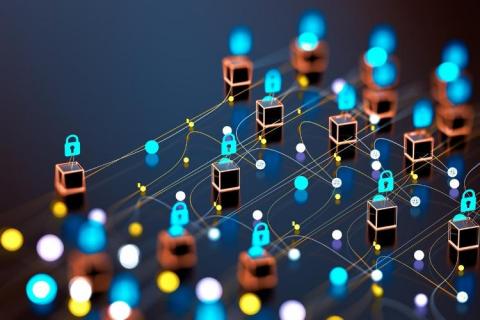
The Internet of Things (IoT) has emerged as a transformative force, connecting devices, sensors, and systems to enable seamless communication and data exchange. From smart homes to industrial processes, IoT has revolutionized the way we live and work. However, with this proliferation of connected devices comes a significant challenge: ensuring the security of the IoT ecosystem.
Effective threat detection is critical to achieving a mature cybersecurity posture. Yet with so many threat detection options on the market, from managed detection and response (MDR) to managed security service providers (MSSPs) to security information and event management (SIEM), choosing the most effective one for your organization can be challenging.